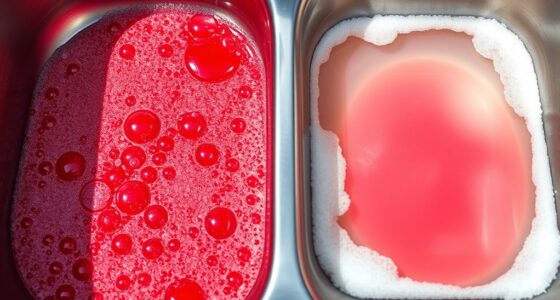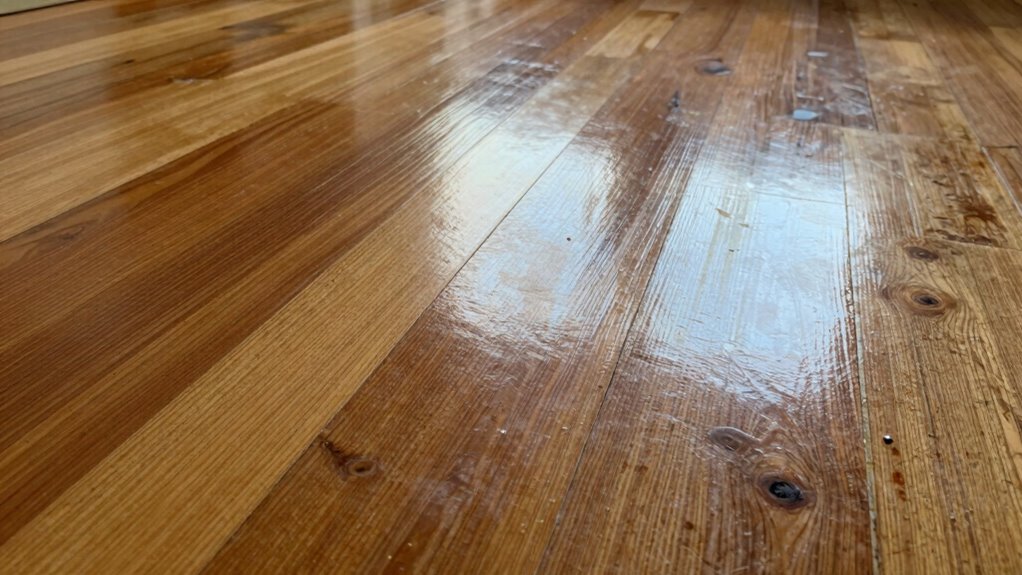
Harsh or incompatible floor cleaners can strip away protective coatings and accelerate oxidation, causing your floor’s shine to fade over time. These chemicals may break down surface finishes and cause microscopic damage, making your floors dull and more prone to wear. Using the wrong products can also trap dirt and dust, further dulling the surface. To keep your floors looking their best, understanding how cleaning affects surface chemistry can help you choose the right approach—if you want to learn more, keep exploring.

Get your next haul delivered free with Prime
- Fast, free delivery on millions of items
- Prime Video, Amazon Music and more included
- Member-only deals all year
Key Takeaways
- Harsh or acidic cleaners can strip protective coatings, exposing surfaces to oxidation and dullness.
- Repeated cleaning with inappropriate chemicals weakens surface chemistry, leading to surface damage and loss of shine.
- Overuse of cleaning chemicals can produce oxidized compounds that scatter light, causing dullness.
- Lack of proper sealing or waxing accelerates oxidation and chemical reactions that dull flooring.
- Using pH-balanced, gentle cleaners and proper maintenance helps preserve surface gloss and prevent dulling.
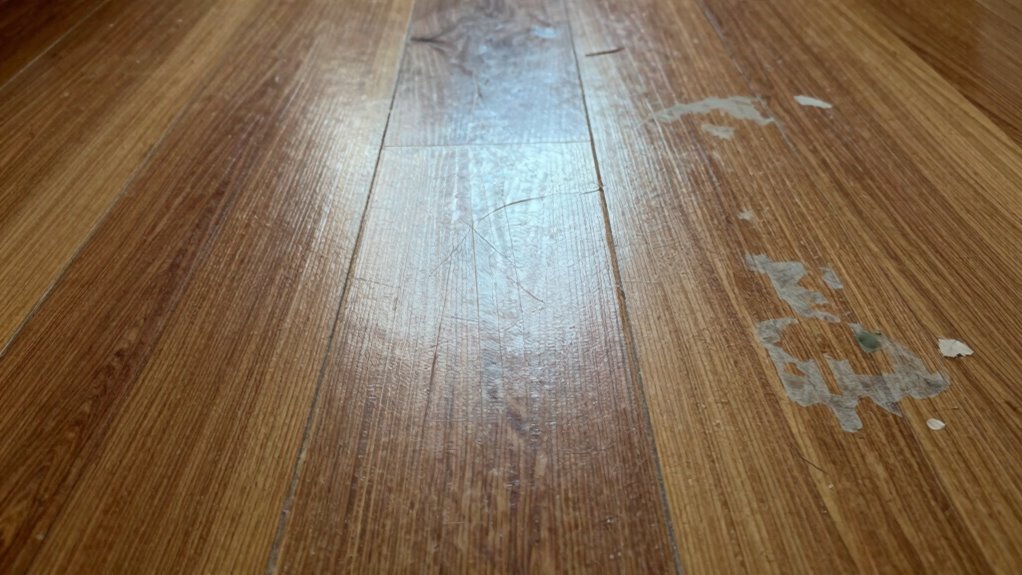
Over time, even the best floor cleaners can lose their ability to keep your floors looking shiny and new. This decline often results from ongoing cleaning chemical reactions and surface oxidation processes that gradually dull the finish. When you apply a floor cleaner, it interacts with the surface and any residues or dirt present. Initially, these reactions help lift grime and restore shine, but repeated cleaning can alter the surface chemistry. Over multiple uses, the cleaning chemicals may break down or react in ways that weaken the protective layer on your floor, diminishing its luster.
Surface oxidation processes play a significant role in the dulling of a floor’s shine. When floors are exposed to air, moisture, and everyday wear, the surface can oxidize, forming a thin layer of oxides or other compounds. This process is accelerated by cleaning chemicals that can strip away the protective coatings designed to shield the surface. As oxidation continues, it creates a matte or cloudy appearance, reducing the reflective qualities that give your floors their shine. You might notice that even after cleaning, the surface looks duller than before, indicating surface oxidation is taking its toll. Using protective coatings can help mitigate the effects of surface oxidation.
The problem worsens if you use harsh cleaning chemicals regularly. Some cleaners contain acids or alkalis that, although effective at removing stains and grime, can also promote chemical reactions that degrade protective finishes. Over time, these reactions cause the surface to become rougher at a microscopic level, trapping dirt and dust more easily, which further dulls the appearance. Additionally, these chemicals can cause surface oxidation by altering the chemical composition of the floor’s top layer, forming oxidized compounds that scatter light and dull the shine. Using overly aggressive cleaning methods can also physically damage the surface, making it more susceptible to oxidation and dullness. To prevent this, choosing appropriate cleaning products and techniques can make a significant difference.
To combat this, you need to be mindful of the cleaning products you choose. Opt for gentle, pH-balanced cleaners that do not trigger aggressive chemical reactions or accelerate surface oxidation. Using proper cleaning techniques, like avoiding excessive moisture and not over-using harsh chemicals, can help preserve your floor’s finish longer. Regularly sealing or waxing your floor provides an additional barrier that reduces the impact of oxidation and chemical reactions, maintaining that glossy appearance you desire. Paying attention to the chemical reactions taking place during cleaning can make a significant difference in preserving your flooring’s shine. Additionally, routine maintenance like polishing can restore some of the lost luster caused by dulling processes. Moreover, understanding the material composition of your flooring can guide you toward more suitable cleaning methods that prevent unnecessary wear.
Ultimately, understanding how cleaning chemical reactions and surface oxidation processes affect your floors helps you take better care of them. Consistent, gentle cleaning combined with protective treatments can slow down the dulling process, ensuring your floors stay shiny and beautiful for years to come.
Products Worth Considering

eufy C28 Robot Vacuum Cleaner and Mop with HydroJet Roller, 15,000 Pa Suction

Blueair Blue Pure 311i Max Air Purifier

Blueair Blue Pure 211i Max Air Purifier for Large Rooms
As an affiliate, we earn on qualifying purchases.
Frequently Asked Questions
Can Using Too Much Cleaner Cause Dull Floors?
Yes, using too much cleaner can cause dull floors. Excess cleaner leaves behind chemical buildup and residue, which can form a film that dulls the shine. To prevent this, make sure to use the appropriate amount and thoroughly rinse or mop to remove residue. Regularly cleaning with the right dilution helps maintain a bright, shiny surface and avoids the dull appearance caused by chemical buildup.
Do Different Floor Types Require Different Cleaning Products?
Yes, different flooring materials often need specific cleaning routines and products. For example, hardwood floors require gentle cleaners to prevent damage, while tile or vinyl floors can handle more robust solutions. Using the right products helps maintain their shine and longevity. Always check manufacturer recommendations for your flooring type, and tailor your cleaning routines to avoid dullness or harm, ensuring your floors stay beautiful over time.
How Often Should I Reseal My Hardwood Floors?
You should reseal your hardwood floors every 2-3 years, or as needed—your floors are precious, after all. Maintain a consistent sealing schedule and stick to a regular maintenance frequency to keep the shine vibrant and protect the wood from damage. If you notice the finish wearing thin or water no longer beads up, it’s time to reseal. Regular upkeep guarantees your floors stay gorgeous and resilient for years.
Do Homemade Cleaners Harm Floor Finishes?
Homemade cleaners can harm your floor finishes if they cause chemical reactions or leave residue buildup. Harsh ingredients like vinegar or lemon juice might break down certain finishes over time, leading to dullness. To protect your floors, always dilute homemade solutions properly and rinse thoroughly. Using gentle, pH-balanced ingredients helps prevent chemical reactions that damage the finish, ensuring your floors stay shiny and well-maintained.
Is It Better to Hire Professional Cleaning Services?
Hiring professional cleaning services is like bringing in expert painters for your home’s artwork—they know the right touch. They often use eco-friendly options that are safer and gentler on your floors, unlike harsh DIY solutions. While the upfront cost might be higher, a professional clean can save you money long-term by preserving your floor’s shine and durability. Plus, they handle the mess, so you enjoy a sparkling space without the hassle.
Conclusion
To keep your floors shining like a mirror, avoid overusing harsh cleaners and opt for gentle, pH-balanced solutions. Regularly clean and buff your floors to prevent buildup that can dull their surface. Remember, neglecting proper maintenance can turn your once-glossy floors into dull, lifeless surfaces faster than you can blink. Treat your floors with care, and they’ll continue to dazzle you like a starry sky, outshining even the brightest spotlight for years to come.