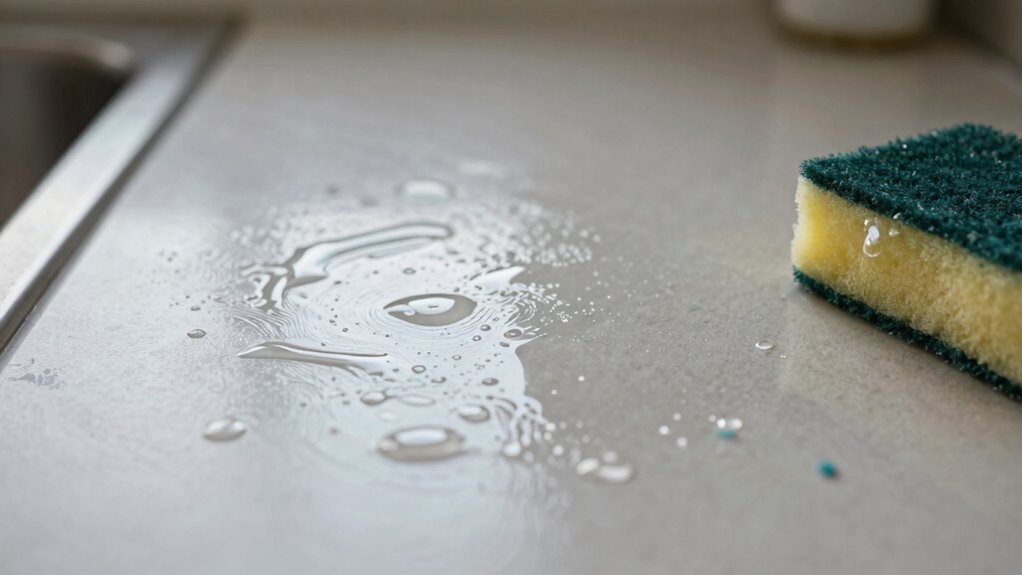

You’ll know you’re using too much cleaner if you notice residue or film left after cleaning, streaks or dull surfaces, or surfaces not drying properly. Increased dirt buildup and surface discoloration, especially on delicate materials, are also signs. Applying excessive cleaner can waste product, cause chemical buildup, and reduce cleaning effectiveness. To prevent this, observe your results, adjust quantities as needed, and use proper tools. Keep your cleaning efficient—more insight is just ahead.

Get your next haul delivered free with Prime
- Fast, free delivery on millions of items
- Prime Video, Amazon Music and more included
- Member-only deals all year
Key Takeaways
- Residue, streaks, or dullness indicate over-application of cleaner.
- Surfaces take longer to dry or show signs of film buildup.
- Increased dirt or grime suggests inadequate cleaning due to excess product.
- Surface damage or discoloration, especially on delicate materials, signals overuse.
- Using more cleaner than recommended wastes resources and may harm surfaces.
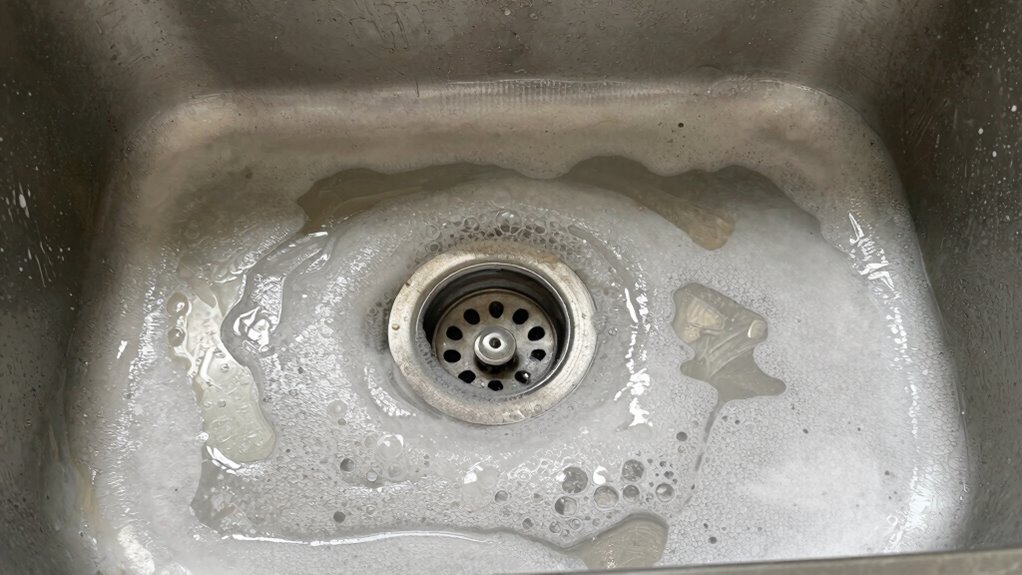
Cleaning with too much product can do more harm than good, even if it seems effective at first. Using excessive cleaner doesn’t just waste resources; it can leave behind residues that attract dirt or cause damage to surfaces. If you want a cleaner space without the negative side effects, you need to recognize the signs that you’re overdoing it and switch to better practices. One way to do that is by exploring eco friendly alternatives, which often require less product and are gentler on your home and the environment. These options typically emphasize concentrated formulas meant to be used sparingly, helping you avoid over-application. When you choose eco friendly alternatives, you’re also making a conscious decision to reduce chemical exposure, which benefits your health and that of your loved ones.
Understanding proper cleaning techniques is essential. For example, using the right amount of cleaner for each task ensures effective sanitation without excess. Many people tend to spray or pour more than necessary, thinking it will make surfaces cleaner faster, but it usually results in a sticky buildup or wasted product. Instead, follow manufacturer instructions or start with a small amount, then add more if needed. This approach minimizes waste and makes your cleaning more efficient. Proper technique also involves using appropriate tools—like microfiber cloths or mops—to lift dirt effectively without relying on copious amounts of cleaning solution. Remember, a little goes a long way when you use the right technique. Additionally, understanding cleaning residue can help you identify when you’ve used too much product, as residue often indicates over-application. Being aware of these signs can help you adjust your cleaning routines to be more effective and sustainable. Using the correct application techniques can further reduce waste and improve results.
Another sign of overuse is residue. If you notice a film or streaks after cleaning, it’s a clear indicator you’ve applied too much product. This residue can trap dirt and grime, making your surface dirtier over time instead of cleaner. It might also cause surfaces to become dull or damaged, especially if harsh chemicals are involved. To prevent this, always wipe surfaces thoroughly after cleaning and use just enough solution to get the job done. Regularly rinsing your cloths or mops can also help prevent buildup. Additionally, overusing cleaning products can sometimes lead to surface damage, particularly on delicate materials, which is why moderation is key. Over-application can also cause chemical buildup, which may impact indoor air quality and your health. Moreover, over-application can also lead to longer drying times, which can be inconvenient and sometimes leave surfaces vulnerable to new dirt or moisture damage. Being mindful of product quantity can significantly improve your cleaning results and overall surface longevity.
Ultimately, knowing when you’re using too much cleaner comes down to observing the results. If surfaces aren’t drying properly, or if you’re battling streaks and residue, it’s time to cut back. Focus on proper cleaning techniques, and opt for eco friendly alternatives that promote effective cleaning with less product. By doing so, you’ll save money, protect your surfaces, and keep your environment healthier—all while making your cleaning routine more sustainable and effective.
eco friendly multi-surface cleaner
As an affiliate, we earn on qualifying purchases.
As an affiliate, we earn on qualifying purchases.
Frequently Asked Questions
Can Using Too Much Cleaner Damage My Surfaces?
Yes, using too much cleaner can damage your surfaces. Excess cleaner can lead to surface damage, such as discoloration or deterioration over time. It also leaves chemical residue, which can be sticky or attract dirt, making your surfaces look worse. To avoid this, use cleaners sparingly, follow the instructions, and rinse thoroughly if needed. Proper cleaning extends the life of your surfaces and keeps them looking their best.
Is There a Safe Amount of Cleaner to Use?
You should always use cleaners sparingly; even a small amount can be effective. Studies show that over 60% of people use more cleaner than necessary, risking damage. To be safe, try eco-friendly alternatives and natural cleaning solutions, which are often more concentrated and effective in small doses. Using the right amount not only protects your surfaces but also keeps your home healthier and reduces chemical exposure.
How Often Should I Clean to Avoid Overusing Cleaner?
You should clean regularly, about once a week, using proper cleaning techniques to avoid overusing cleaner. Focus on high-touch areas and avoid excessive scrubbing, which can lead to using more product than necessary. Opt for eco-friendly products, which are often more concentrated and safer for your home and the environment. Always follow the instructions on the label, and consider using less cleaner than recommended to prevent overapplication while still maintaining cleanliness.
Do Different Cleaners Require Different Amounts?
Yes, different cleaners require different amounts. For example, cleaning tools like brushes or sponges can affect how much cleaner you need—more abrasive tools might need less, while softer ones might require more. Environmentally friendly cleaners are often concentrated, so you typically use less. Always follow the label instructions, as overusing any cleaner can cause buildup or damage surfaces. Adjust quantities based on the cleaner’s strength and your cleaning tools for best results.
What Are the Signs of Chemical Buildup From Excess Cleaner?
You’ll notice chemical residue lingering on surfaces, making them feel sticky or grimy even after cleaning. Over time, excess cleaner can cause surface deterioration, leading to discoloration, cracking, or peeling. If you see streaks or spots that won’t wash away, it’s a sign of buildup. Regularly rinsing surfaces thoroughly helps prevent chemical residue and keeps them in good shape, avoiding damage caused by overuse of cleaning products.
As an affiliate, we earn on qualifying purchases.
Conclusion
Remember, a little goes a long way. If your surfaces start looking streaky or your skin feels irritated, it’s a sign you’re overdoing it. Using too much cleaner can do more harm than good, so trust your senses and adjust accordingly. As the saying goes, “Less is more.” Keep your cleaning routine balanced, and you’ll maintain a fresh, healthy home without wasting product or risking damage.
As an affiliate, we earn on qualifying purchases.
As an affiliate, we earn on qualifying purchases.
Columbus Day / Indigenous Peoples' Day Picks
long weekend sales
As an affiliate, we earn on qualifying purchases.