
To match floor cleaners to your flooring, consider the surface type. Use pH-balanced, gentle solutions for hardwood floors to prevent damage, and choose natural, non-abrasive cleaners for tile to keep grout intact. For laminate, opt for low-moisture sprays that won’t cause swelling or peeling. Picking the right cleaner helps protect your floors and extends their lifespan. Stay tuned—next, you’ll discover how to identify the best eco-friendly options for each surface.
Key Takeaways
- Match hardwood floor cleaners with pH-balanced, gentle formulas that prevent sealing damage and avoid residue buildup.
- Use tile-specific cleaners containing natural acids or enzymes to effectively remove grime and soap scum without harming grout.
- Select laminate floor cleaners formulated to prevent excess moisture, using sprays or damp cloth solutions for safe, easy cleaning.
- Avoid abrasive scrubbers on all surfaces; instead, choose gentle, surface-appropriate cleaning tools to prevent scratches and damage.
- Prioritize eco friendly cleaners that are non-toxic and safe for your specific flooring type to protect health and extend floor lifespan.
Are you tired of dull, dirty floors? Finding the right cleaner can make all the difference, especially when you want to preserve your flooring’s beauty and durability. The key is choosing the best cleaning solutions tailored to your specific floor type. Not all cleaners work equally well on every surface, so understanding your flooring material is essential. When shopping for eco friendly floor cleaners, look for products that are not only effective but also gentle on the environment. These eco friendly options typically avoid harsh chemicals, making them safer for your family, pets, and the planet. By selecting the right cleaner, you’ll avoid damage and extend the lifespan of your floors.
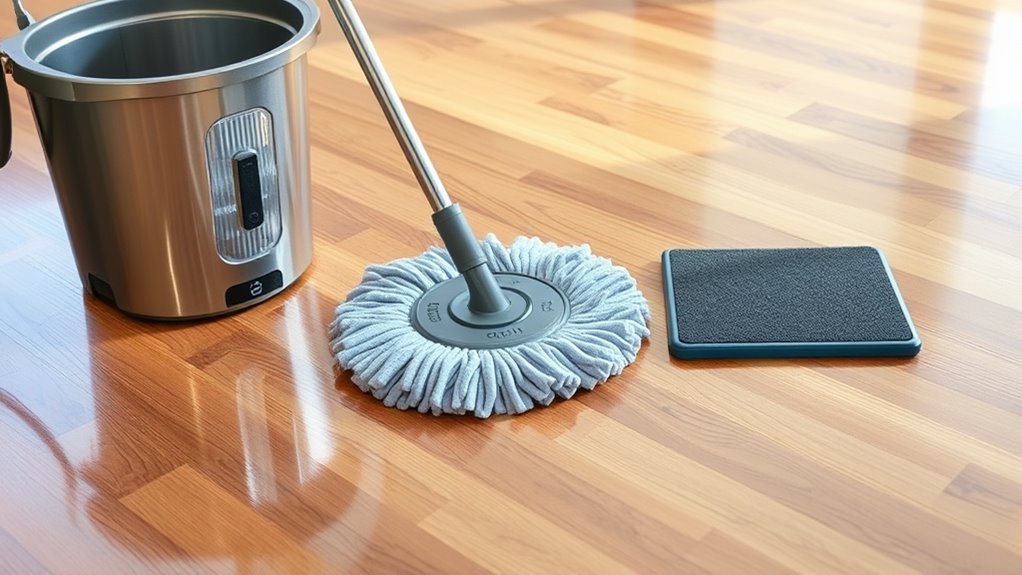
If you have hardwood floors, you need a cleaner designed to preserve their finish and prevent warping or scratching. Look for gentle, pH-balanced solutions that won’t strip the protective sealant. Many of the best cleaning solutions for hardwood are formulated to lift dirt without leaving residue, which can cause buildup over time. Eco friendly floor cleaners for hardwood often contain natural ingredients like plant-based surfactants and essential oils, providing a clean without toxic fumes or residues. Avoid overly wet mops or harsh chemicals that could seep into the wood and cause damage. Instead, opt for a damp microfiber cloth or mop with a gentle cleaner, and always follow up with a dry cloth to remove excess moisture.
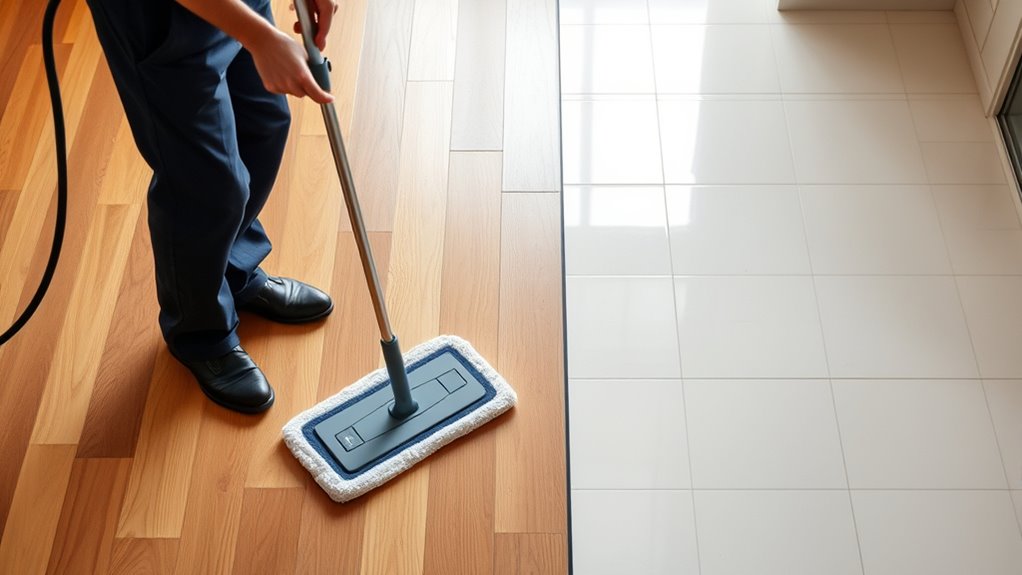
For tile floors, you want a cleaner that can cut through grime and soap scum without dulling the surface. Tile surfaces are durable but can stain and accumulate dirt in grout lines. The best cleaning solutions for tile are those that are specially formulated to clean both the tile and its grout without being overly abrasive. Eco friendly floor cleaners for tiles often contain natural acids or enzymes that break down stains without harming the grout or tile glaze. Regular sweeping and mopping with a mild, eco friendly cleaner will keep your tiles looking fresh and shiny, while also protecting the environment.
Laminate flooring requires a different approach. Since laminate is sensitive to excess moisture, you should avoid soaking the surface. Choose a cleaner that’s specifically designed for laminate—usually a spray or a damp cloth with a gentle, eco friendly solution. These cleaners clean thoroughly without causing the planks to swell or peel. When cleaning, steer clear of abrasive scrubbers that can scratch the surface, and always wipe in the direction of the grain to maintain the flooring’s appearance.
In every case, the right choice of cleaning solutions can make your floors look better and last longer. Prioritize eco friendly floor cleaners that are safe, effective, and suited to your flooring type. When you match your cleaner to your floor, you’ll enjoy a cleaner, healthier home with floors that shine for years to come.
Frequently Asked Questions
Can Floor Cleaners Be Used on Outdoor Surfaces?
Yes, you can use floor cleaners on outdoor surfaces for weather-resistant cleaning and outdoor surface maintenance. Just make certain the cleaner is suitable for the specific material, like concrete or stone. Always check the label for outdoor use and avoid harsh chemicals that could damage the surface or harm the environment. Properly rinsing and drying the area helps maintain the surface’s durability and appearance over time.
Are Natural or Chemical Cleaners Better for Certain Floors?
Think of your floors as a delicate garden needing the right nourishment. Chemical cleaners can be powerful, like a storm, but might harm sensitive surfaces. Natural solutions are gentle rain, nurturing without damage. For hardwood or natural stone, go for natural solutions to preserve their beauty. In contrast, chemical cleaners might be better for stubborn grime on tile or concrete. Choose wisely, respecting your floors’ unique needs, and they’ll thank you with lasting shine.
How Often Should I Deep Clean My Specific Flooring Type?
You should deep clean your flooring at least once every 3 to 6 months, but it depends on your flooring material considerations. For hardwood, stick to milder cleaners and avoid excess water; for tile, a thorough deep clean every 2-3 months works well. Regular deep cleaning helps maintain your floors’ appearance and longevity, so adjust the frequency based on foot traffic and specific material needs to keep them in top condition.
Do Floor Cleaners Damage Floor Finishes Over Time?
You might worry about damage, but if you use the right cleaner, it won’t harm your floor finish durability. However, using harsh or inappropriate cleaners can cause residue buildup over time, which may dull the surface or degrade the finish. Always choose cleaners suitable for your flooring type and follow the manufacturer’s instructions to protect your floors and maintain their shine and longevity.
Are There Eco-Friendly Floor Cleaning Options Available?
Are eco-friendly options really effective? Yes, you can choose biodegradable solutions and reusable cleaning tools that are gentle on your floors and the environment. These options reduce chemical use and waste, making your cleaning routine safer for everyone. Plus, they often perform just as well as traditional products. So, why not switch to eco-friendly cleaners and contribute to a healthier planet while keeping your floors spotless?
Conclusion
Now that you know how to match floor cleaners to your flooring type, you’re ready to keep your home spotless and shining. Remember, using the right cleaner is like giving your floors a gentle, loving touch—preventing damage and enhancing their beauty. Isn’t it worth imagining your floors gleaming with health and vibrancy, inviting everyone in to admire their perfect condition? With the right care, your floors will always look their best and last longer.