When diluting bleach for safety and effectiveness, use 1 part bleach to 10 parts water for general disinfecting, and increase to 1:9 for tough grime or toilet cleaning, rinsing thoroughly afterward. For laundry, add about one cup per gallon of water, and always measure carefully with non-metallic containers. Avoid mixing bleach with ammonia or acids to prevent toxic gases. Proper storage and prompt use help guarantee safe, efficient cleaning—see below for more essential tips.

Get your next haul delivered free with Prime
- Fast, free delivery on millions of items
- Prime Video, Amazon Music and more included
- Member-only deals all year
Key Takeaways
- Use a 1:10 bleach-to-water ratio for general disinfection, and 1:9 for heavily soiled surfaces or toilets.
- Always measure bleach carefully with non-metallic containers to prevent corrosion and ensure proper dilution.
- Never mix bleach with ammonia or acids; toxic gases like chloramine vapors can form and pose health risks.
- Store diluted bleach solutions in sealed, labeled containers away from children and pets, and dispose of after 24 hours.
- Use bleach promptly after dilution to maintain effectiveness and reduce harmful fumes or surface damage.
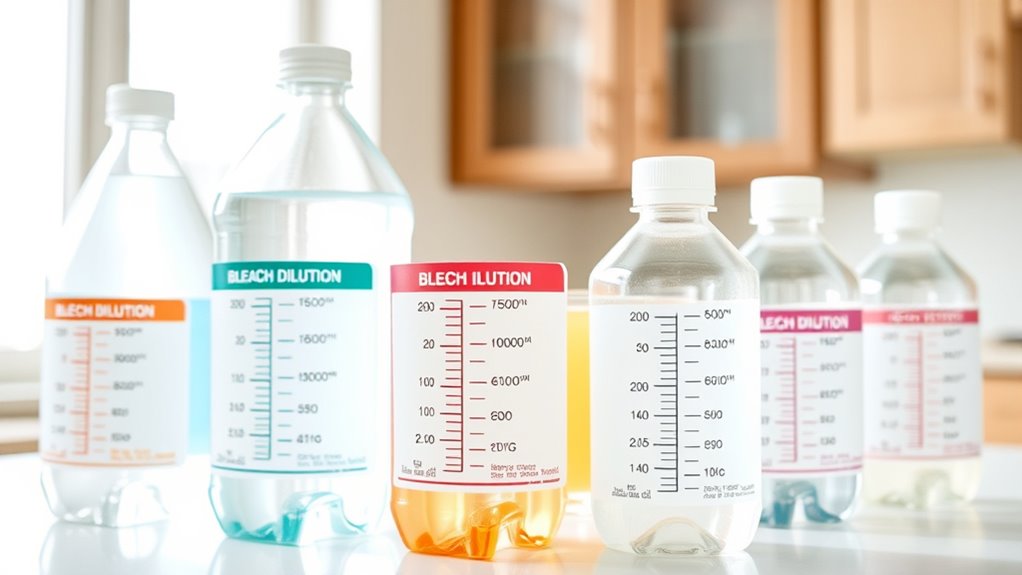
Have you ever wondered how to use bleach safely? If so, understanding the proper dilutions is vital to avoid accidents, protect your surfaces, and keep your household safe. Bleach is a powerful disinfectant, but using it incorrectly can cause damage or health issues. The key is knowing the right concentration for each task. For general disinfecting, a common recommendation is to dilute bleach to about 1 part bleach to 10 parts water, which creates a 0.1% sodium hypochlorite solution. This mixture is effective against most bacteria and viruses without being overly harsh. When you’re cleaning toilets or heavily soiled surfaces, increasing the concentration slightly to about 1 part bleach to 9 parts water can boost disinfectant power, but you should always rinse thoroughly afterward to prevent corrosion or damage.
Dilute bleach to 1 part bleach with 10 parts water for safe, effective disinfection.
If you’re using bleach for laundry whitening or stain removal, a typical dilution is 1 cup of bleach per gallon of water. Always add the bleach to water, not the other way around, to prevent splashing. It’s essential to follow the specific instructions on the label because different brands may have varying concentrations. Never mix bleach with other cleaning products, especially ammonia or acids, as this can produce toxic gases that are dangerous to breathe. For instance, mixing bleach with ammonia creates chloramine vapors, which can cause respiratory problems and chest pain.
When diluting bleach, measure carefully and use clean, non-metallic containers. Metal can react with bleach, leading to corrosion and potential leaks. Always wear protective gloves and ensure good ventilation while working with bleach solutions. After diluting, use the solution promptly; bleach degrades over time when exposed to light and heat, reducing its effectiveness. If you need to store a diluted solution, keep it in a sealed, labeled container away from children and pets, and dispose of it after 24 hours. Additionally, be aware that proper dilution not only maximizes its cleaning power but also reduces the risk of harmful fumes and surface damage.
The proper dilution of bleach not only maximizes its cleaning power but also minimizes risks to your health and surfaces. Remember, the goal is to find that sweet spot where the solution is strong enough to disinfect but safe enough to handle comfortably. Take the time to measure carefully, follow guidelines, and always prioritize safety when working with bleach. Doing so ensures you’re getting the cleaning results you want without unnecessary hazards.
As an affiliate, we earn on qualifying purchases.
Frequently Asked Questions
Can I Mix Bleach With Other Cleaning Chemicals Safely?
No, you shouldn’t mix bleach with other cleaning chemicals, especially ammonia or acids. Combining these substances can produce dangerous gases that pose serious health risks. Always read labels carefully and follow safety instructions. If you’re unsure about a product, it’s best to use it separately and guarantee good ventilation. Staying cautious helps prevent accidents and keeps your cleaning environment safe.
How Long Should I Wait After Applying Bleach Before Rinsing?
You should wait at least 5 minutes after applying bleach before rinsing. This gives the chemical enough time to disinfect effectively, like letting a good stew simmer to develop flavor. Make sure to wear gloves and ventilation during the process. Rinsing too soon can diminish effectiveness, so patience is key to ensure surfaces are properly sanitized and safe for use afterward.
Is It Safe to Use Bleach on All Types of Fabrics?
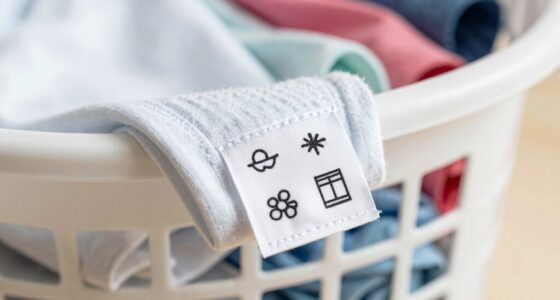
You shouldn’t use bleach on all fabrics, as it can damage or discolor some materials. Always check the care label first—cotton and polyester usually handle bleach well, but delicate fabrics like wool, silk, or spandex can be ruined. Test a small, hidden area first to see how the fabric reacts. If you’re unsure, opt for a gentler cleaner to protect your clothes and ensure they stay looking their best.
What Should I Do if Someone Ingests Bleach Accidentally?
If someone accidentally ingests bleach, act quickly and calmly. Immediately call your local poison control center or emergency services. Do not induce vomiting or give anything to drink unless instructed by a professional. Keep the person comfortable and monitor their breathing and consciousness. If they lose consciousness or have trouble breathing, seek emergency help right away. Your swift action can make a vital difference in their safety.
Can Bleach Be Used to Disinfect Food Contact Surfaces?
You shouldn’t use bleach to disinfect food contact surfaces because it can leave harmful residues if not properly rinsed. Instead, opt for food-safe disinfectants or use a diluted bleach solution specifically labeled for food contact surfaces, ensuring you follow proper dilution ratios. After disinfecting, thoroughly rinse the surface with clean water to remove any remaining chemicals. Always check manufacturer instructions for safe and effective cleaning practices.
As an affiliate, we earn on qualifying purchases.
Conclusion
Remember, using bleach safely is like steering a busy street—you need to know the rules to avoid accidents. I once accidentally poured too much bleach and nearly ruined my favorite shirt, but learning proper dilutions saved me future mishaps. Keep this in mind: proper dilution isn’t just about cleaning; it’s about protecting yourself and your home. Stay informed, follow guidelines, and you’ll keep your space safe and sparkling without unnecessary risks.
As an affiliate, we earn on qualifying purchases.
As an affiliate, we earn on qualifying purchases.
Halloween Picks
halloween
As an affiliate, we earn on qualifying purchases.