Using a shower gel with the right pH balance is key to keeping your skin’s natural barrier healthy. If your product is too alkaline, it can strip oils, cause dryness, and weaken resistance to irritation or infections. Ideally, choose a cleanser that supports your skin’s natural acidity, usually between 4.5 and 5.5. Paying attention to pH helps maintain skin resilience and prevents issues like dullness or sensitivity—learn more to protect your skin’s health long-term.
Key Takeaways
- Properly pH-balanced shower gels support the skin’s natural acidity, maintaining a healthy skin barrier.
- Alkaline shower gels (pH above 7) can strip natural oils and weaken the skin’s protective functions.
- A balanced pH helps skin repair, reduces irritation, and prevents dryness and sensitivity.
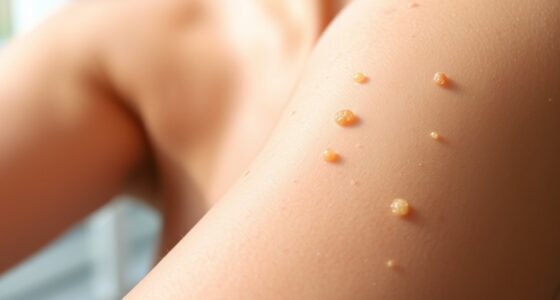
- Signs of incorrect pH include redness, tightness, flakiness, and increased susceptibility to infections.
- Choosing pH-balanced cleansers preserves beneficial skin flora and enhances long-term skin health.

Your skin’s health largely depends on the pH level of your shower gel, as it directly influences your skin barrier. The pH balance of your cleanser determines how well your skin maintains its protective functions. When you choose a shower gel with the right pH, you support your skin’s natural acidity, which is typically between 4.5 and 5.5. This slightly acidic environment helps keep harmful bacteria and fungi at bay while preserving beneficial skin flora. If your shower gel is too alkaline, with a pH above 7, it can disrupt this delicate balance, stripping away natural oils and compromising your skin’s resilience. That disruption leaves your skin vulnerable to irritation, dryness, and even infection.
Maintaining proper pH balance isn’t just about comfort; it’s essential for your skin’s ability to repair itself and fend off environmental stressors. When your skin barrier is intact and functioning ideally, your skin becomes more resilient to external aggressors like pollution, harsh weather, and allergens. Conversely, a disrupted pH can weaken your skin barrier, leading to increased sensitivity and moisture loss. Over time, this can cause your skin to become dull, flaky, and prone to breakouts or dermatitis. The key is to select a shower gel formulated to support your skin’s natural pH, ensuring you don’t unintentionally strip away essential oils and disrupt your skin’s resilience.
You also need to pay attention to how your skin reacts after showering. If you notice tightness, redness, or dryness, it could mean your shower gel is too harsh or has an incorrect pH. Switching to a product designed to match your skin’s natural pH helps preserve its resilience and keeps it looking healthy. Additionally, choosing quieter heat pump systems for your home can ensure a more comfortable living environment without added noise disturbances. Remember, your skin is a dynamic organ that constantly renews itself, but it relies heavily on the products you use to do so. A gentle, pH-balanced shower gel strengthens your skin’s defenses, making it more resistant to damage and irritation over time.
Frequently Asked Questions
How Does Ph Level Affect Skin Aging?
A balanced pH level helps slow skin aging by maintaining your acidic barrier, which protects against environmental damage and pollutants. When your skin’s pH stays close to its natural level, usually around 4.5 to 5.5, it supports collagen production and reduces wrinkles. You should choose products that respect your skin’s pH balance, avoiding harsh formulas that can disrupt this delicate acidic barrier and accelerate aging signs.
Can Shower Gels Disrupt Natural Skin Oils?
Yes, shower gels can disrupt your natural skin oils, especially if they contain harsh soap ingredients or fragrances. These ingredients can strip away your skin’s moisture, leading to dryness and irritation. If you’re sensitive to fragrances, it might worsen the effect. To protect your skin, choose gentle, fragrance-free formulas that help preserve your skin’s natural oils and maintain its barrier.
Are There Specific Ph Levels for Sensitive Skin?
Yes, for sensitive skin, look for pH balanced formulations that align with your skin’s natural pH, typically around 4.5 to 5.5. These products help maintain your skin’s barrier and reduce irritation. Pay attention to skin sensitivity thresholds, as using products outside this pH range can cause discomfort or exacerbate sensitivities. Always choose gentle, pH-balanced options to keep your skin healthy and balanced.
How Often Should I Change My Shower Gel?
You should change your shower gel at least every few months, or sooner if it starts to smell off or causes irritation. Scented formulations can build up, and eco-friendly brands often use gentler ingredients that may need more frequent replacement. Don’t wait until it’s completely gone—your skin’s health depends on fresh, balanced products. Switching regularly keeps your skin happy and avoids the dull, tired feeling that comes with old, worn-out gel.
Does Water Temperature Influence Skin Barrier Health?
Yes, water temperature influences your skin barrier health. Hot water strips away natural oils, leading to dryness and compromised skin hydration. On the other hand, lukewarm water helps maintain your skin’s moisture levels and protects your skin barrier. To keep your skin healthy, avoid very hot showers and opt for warm water. This simple change helps preserve your skin’s natural oils, keeping it hydrated and resilient against environmental stressors.
Conclusion
Imagine your skin as a delicate fortress, standing strong against the world. Using a shower gel with the right pH helps maintain that barrier, like a gentle shield of dew on a morning leaf. When you choose wisely, you’re nourishing your skin, keeping it soft and resilient. Let every shower be a revitalizing splash of care, restoring balance and inviting a feeling of purity. Your skin’s wellbeing begins with what touches it—make it count.