
To keep your heels soft and healthy, start by soaking your feet in warm water to soften calluses. Gently use a pumice stone or foot file to carefully remove dead skin, avoiding sharp tools to prevent injuries. Afterward, apply a rich moisturizer with ingredients like shea butter or glycerin, and wear socks to lock in hydration. Consistent care guarantees comfortable, resilient heels—keep going to discover more tips for safer, effective foot maintenance.
Key Takeaways
- Soak feet in warm water to soften calluses before gently using a pumice stone or foot file.
- Avoid sharp tools; remove dead skin gradually to prevent injury and irritation.
- Moisturize heels daily with products containing urea, shea butter, or glycerin to maintain softness.
- Apply moisturizer after bathing and wear socks to lock in hydration and enhance absorption.
- Incorporate regular foot care routines, including callus removal and moisturizing, for healthier, smoother heels.

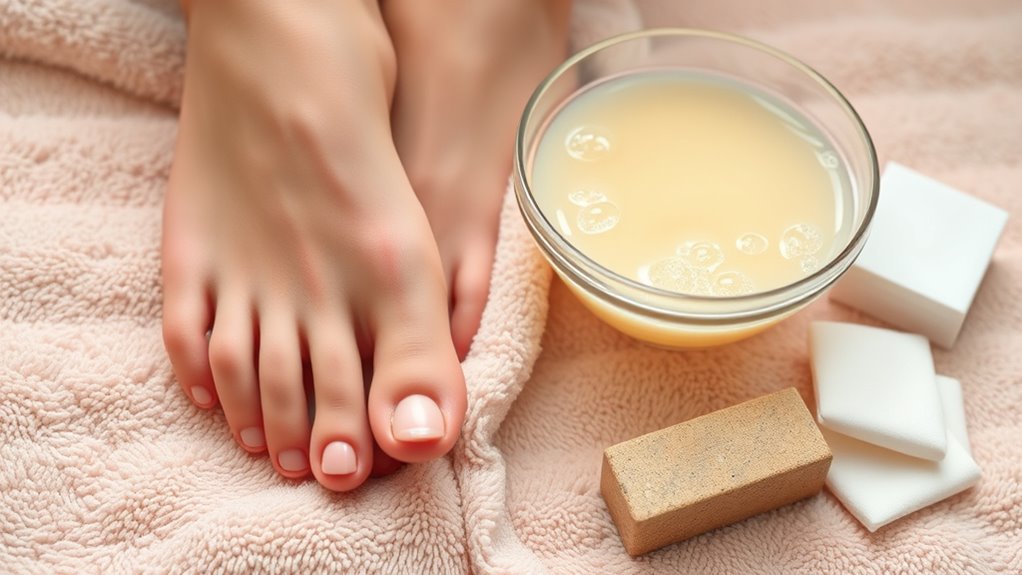
Taking good care of your feet is essential for overall health and comfort, especially since they support your body every day. One of the key aspects of maintaining healthy feet is managing calluses and keeping your heels moisturized. Callus removal is necessary when thickened, hardened skin becomes uncomfortable or begins to crack. Instead of trying to peel or pick at calluses with sharp objects, opt for gentle methods like soaking your feet in warm water to soften the skin. Once softened, you can use a pumice stone or a foot file to carefully buff away the callus. Be gentle, and avoid overdoing it, as removing too much skin can lead to irritation or cuts that might become infected. Incorporate regular callus removal into your routine to keep your heels smooth and prevent the buildup of dead skin, which can cause discomfort and lead to cracks if left untreated. Using the right tools and techniques can make this process safer and more effective.
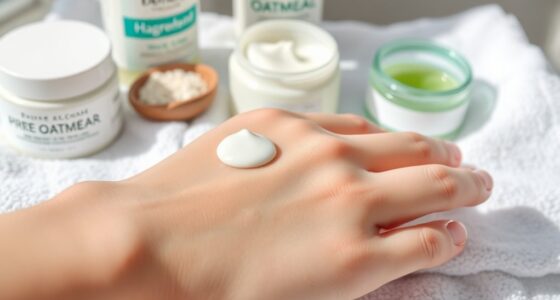
Heel moisturizing is equally crucial in maintaining soft, healthy heels. After cleaning and exfoliating, apply a thick, nourishing moisturizer specifically designed for the feet. Look for products containing ingredients like urea, shea butter, or glycerin, which draw moisture into the skin and help repair dryness. Regular heel moisturizing not only keeps your skin soft but also helps prevent the formation of calluses and cracks. Make it a habit to moisturize your heels daily, especially after bathing when your skin is most receptive to hydration. For added benefit, wear socks after applying moisturizer to lock in the moisture and enhance absorption.
To boost your foot care routine, consider incorporating foot masks or overnight treatments that focus on deep hydration. These products can help restore moisture and improve the overall texture of your heels. Consistency is key—by making callus removal and heel moisturizing a daily ritual, you’ll notice softer, smoother heels over time. Remember, healthy heels contribute to better balance and reduce the risk of painful cracks or splits, which can sometimes lead to infections. Taking a few minutes each day for these simple steps ensures your feet stay comfortable, resilient, and free from rough, hardened skin. Proper vacuums for LVP floors and foot care are both essential for maintaining surface integrity and skin health.
Frequently Asked Questions
How Often Should I Exfoliate My Heels?
You should exfoliate your heels about once or twice a week to keep them soft and smooth. Heel exfoliation helps remove dead skin, preventing cracks and rough patches. Make sure you’re wearing proper footwear that cushions and supports your feet, reducing the need for frequent exfoliation. Overdoing it can cause irritation, so stick to a gentle routine. Regular exfoliation combined with proper footwear keeps your heels healthy and comfortable.
Can I Use Home Remedies for Heel Cracks?
Yes, you can use home remedies for heel cracks, but be cautious. Natural remedies, like coconut oil or honey, can soothe and moisturize your skin, while DIY treatments such as oatmeal scrubs gently exfoliate. However, don’t rely solely on these methods if cracks worsen or become painful. Combining them with proper hydration and foot care routines guarantees safer, more effective healing, keeping your heels soft and healthy.
Are There Specific Shoes That Prevent Heel Dryness?
Yes, choosing shoes with good heel padding and made from breathable sneaker material helps prevent heel dryness. Look for sneakers that offer ample cushioning to reduce friction and moisture loss, keeping your heels hydrated. Avoid stiff or tight shoes, as they can cause irritation and dryness. Opt for well-ventilated footwear to allow airflow, which also helps maintain moisture balance and keeps your heels soft and healthy.
What Ingredients Are Best for Moisturizing Heels?
You’re on the right track for heel hydration, and the right ingredients make all the difference. Look for moisturizers with urea, shea butter, or glycerin—they penetrate deep and soften callus removal areas. These ingredients lock in moisture, prevent dryness, and keep your heels smooth. Remember, a little effort now saves you from rough patches later—think of it as giving your heels a well-deserved treat.
When Should I See a Doctor for Heel Pain?
You should see a doctor for heel pain if it persists beyond a week, worsens, or is severe enough to interfere with daily activities. If you suspect plantar fasciitis, especially with pain after waking or after long periods of standing, get professional advice. Prompt medical attention helps rule out other issues, provides proper treatment, and prevents complications, ensuring your heels heal safely and comfortably.
Conclusion
By following this simple foot care routine, you’ll keep your heels soft and healthy. Some believe that consistently caring for your feet can even boost your confidence and overall well-being. While there’s no scientific proof that foot care alone can transform your life, taking time for yourself definitely makes a difference. So, why not give your heels the attention they deserve? With regular care, you’ll enjoy smoother, happier feet—proof that small habits can lead to big changes.