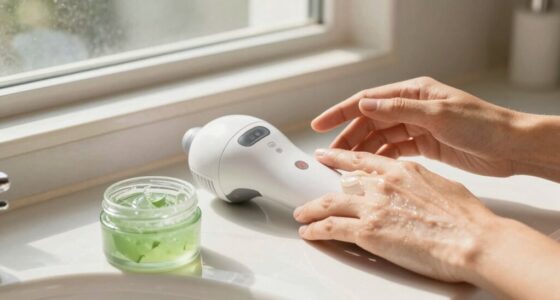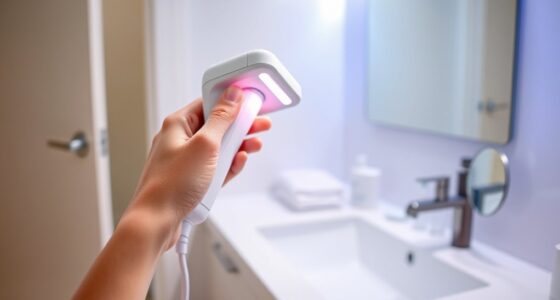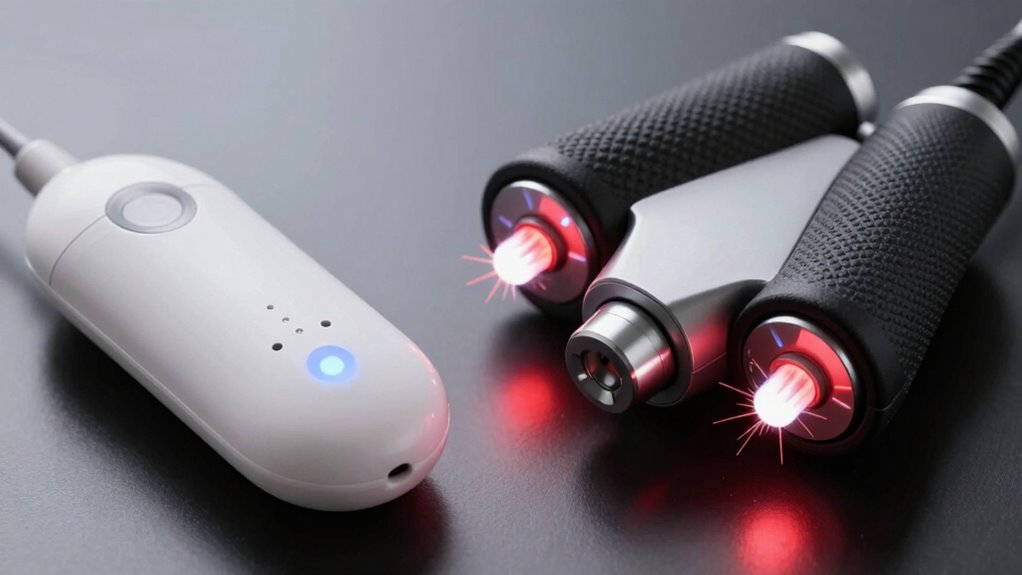

Microcurrent and EMS are different electrical stimulation methods. Microcurrent uses gentle, low-voltage currents that mimic your body’s natural signals, mainly targeting facial muscles for skin rejuvenation and lifting. EMS sends stronger impulses to larger muscle groups, helping build muscle strength and endurance in areas like arms or legs. If you’re unsure which one suits your goals, understanding their distinct functions can help, and there’s much more to discover about how each can work for you.
Key Takeaways
- Microcurrent uses very low-voltage signals for facial skin rejuvenation, while EMS delivers stronger impulses for muscle strengthening.
- Microcurrent targets facial muscles to improve skin elasticity and lift; EMS focuses on larger muscle groups for toning and endurance.
- Microcurrent promotes cellular repair and subtle skin benefits, whereas EMS emphasizes muscle development and physical strength.
- Microcurrent is gentle and suitable for facial use; EMS is more intense and used on arms, legs, and other body parts.
- Main goal: microcurrent aims for facial lifting and skin health; EMS aims for muscle building and overall body toning.
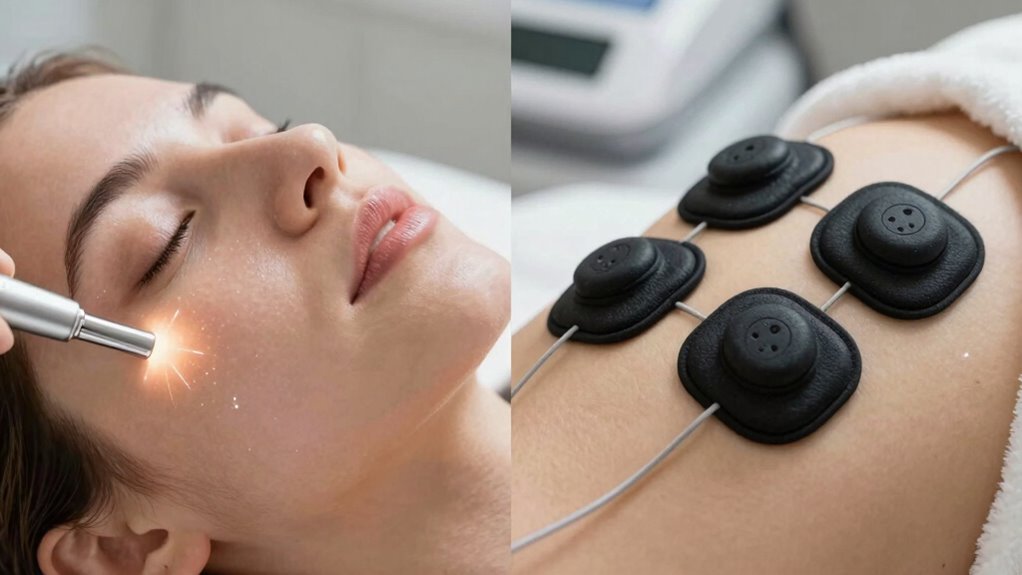
When choosing between microcurrent and EMS devices, understanding how each targets your muscles and skin can help you make an informed decision. Both technologies use electrical impulses, but they serve different purposes and deliver distinct results. Microcurrent devices focus on muscle stimulation at a cellular level, particularly in the facial muscles, to promote facial toning and skin rejuvenation. They emit very low-voltage electrical currents that mimic your body’s natural signals, gently stimulating facial muscles and encouraging cellular repair. This process enhances skin elasticity, reduces fine lines, and promotes a more lifted appearance. If your goal is to achieve a more youthful, firm complexion, microcurrent treatments can be effective because they work beneath the skin to strengthen underlying muscles, improving overall facial contour and skin tone. Additionally, microcurrent technology can support adaptive lighting and circadian rhythms to optimize skin health and rejuvenation.
On the other hand, EMS (Electrical Muscle Stimulation) devices are designed primarily for muscle stimulation across larger areas of the body, such as the arms, legs, or abs. EMS sends stronger electrical impulses that cause muscles to contract, mimicking the effects of physical exercise. This makes EMS popular for muscle strengthening, toning, and recovery. While EMS can also be used for facial toning, its primary focus is on building muscle mass and improving muscle endurance, which can lead to a more sculpted appearance. For facial toning, EMS devices may be less gentle than microcurrent options and might not provide the same level of subtle skin rejuvenation. If your main concern is overall muscle building and toning in larger muscle groups, EMS is a more suitable choice.
The key difference lies in the intensity and purpose of the electrical impulses. Microcurrent devices deliver very gentle currents designed to stimulate facial muscles without causing discomfort, making them ideal for facial toning and skin health. EMS devices, however, deliver stronger signals to induce muscle contractions, making them better suited for targeted muscle strengthening in other body areas. When selecting between the two, consider whether your primary focus is facial rejuvenation or overall muscle strengthening. Microcurrent is your go-to for facial toning and skin improvement, while EMS excels in building muscle mass and endurance in larger muscle groups. Knowing the intent behind each technology helps you choose the right device to meet your aesthetic and fitness goals.

Microcurrent Facial Device,Latest Red Light Technology,Enhances The Ability to Lift The Face and Tighten The Skin,Facial Wrinkle Equipment,Smart Photon Micro-Current Device, Model:EP-300.
Microcurrent +Red Light Therapy: For micro current stimulation mode: The Smart Photon Micro-current Device is intended for facial…
As an affiliate, we earn on qualifying purchases.
As an affiliate, we earn on qualifying purchases.
Frequently Asked Questions
Can Microcurrent and EMS Be Used Together Safely?
Yes, microcurrent and EMS can be used together safely for synergistic benefits in a combined therapy. You should follow proper guidelines and consult with a professional to guarantee ideal results and avoid over-stimulation. When used correctly, this combination can enhance muscle toning, reduce pain, and improve skin health. Always start with lower intensities and monitor your body’s response to maximize safety and effectiveness in your treatment.
How Long Does Each Treatment Typically Last?
Microcurrent treatments usually last about 20 to 30 minutes per session, offering a gentle, targeted approach to skin rejuvenation. EMS sessions tend to be slightly longer, typically around 30 to 45 minutes, focusing on muscle stimulation and toning. Your session length depends on your goals and the area being treated. Always follow your practitioner’s recommendations, but generally, these durations fit well into a regular treatment schedule.
Are There Any Age Restrictions for These Therapies?
You might worry about age restrictions, but both microcurrent and EMS therapies are generally safe for adults of various ages. Devices are designed with safety in mind, making them suitable for most age groups. However, if you’re under 18 or have specific health concerns, it’s best to consult your healthcare provider first. Rest assured, these treatments are safe when used appropriately, regardless of your age.
Do These Treatments Have Any Known Side Effects?
You might experience minor side effects like skin irritation or tingling, but generally, these treatments are safe when performed properly. Always consider safety considerations, especially if you have underlying health conditions or skin sensitivities. While long-term effects are still being studied, most users tolerate microcurrent and EMS well. To minimize risks, follow professional guidelines and consult with a specialist before starting treatments, ensuring you’re making safe choices.
Which Device Is More Effective for Muscle Toning?
For muscle toning, EMS devices are more effective because they actively stimulate muscle activation, leading to visible firming and sculpting. They produce stronger contractions that help tighten skin and build muscle strength. Microcurrent devices focus more on skin tightening and rejuvenation rather than deep muscle activation. If your goal is to enhance muscle tone considerably, EMS is the better choice, providing noticeable results through targeted muscle stimulation.

AUVON 3-in-1 TENS Unit Muscle Stimulator, EMS Massage Machine with 40 Intensities for Gradual Shoulder, Sciatica, Back Pain Relief, 24 Modes Rechargeable Electronic Pulse Massager with 12 TENS Pads
Multifunctional and Portable Massager Machine: The 3-in-1 TENS, EMS, RELAX professional device is an ideal option for pain…
As an affiliate, we earn on qualifying purchases.
As an affiliate, we earn on qualifying purchases.
Conclusion
Remember, understanding the difference between microcurrent and EMS helps you make smarter choices for your body. Don’t just chase quick fixes—know what works best for your goals. As the saying goes, “A wise man learns more from his mistakes than from his success.” So take the time to research, ask questions, and trust your instincts. When you’re informed, you’ll use the right tool for the right job, setting yourself up for real progress.

Microcurrent Facial Device, Professional Anti-Aging Skin Tightening Machine with Red Light, Microcurrent Facial Roller for Instant Face Sculpting & Toning, Jawline Defining & Eye De-Puffing
ACTIVATE YOUR YOUTH WITH ATP BOOST: Why settle for topical creams that only touch the surface? Our microcurrent…
As an affiliate, we earn on qualifying purchases.
As an affiliate, we earn on qualifying purchases.
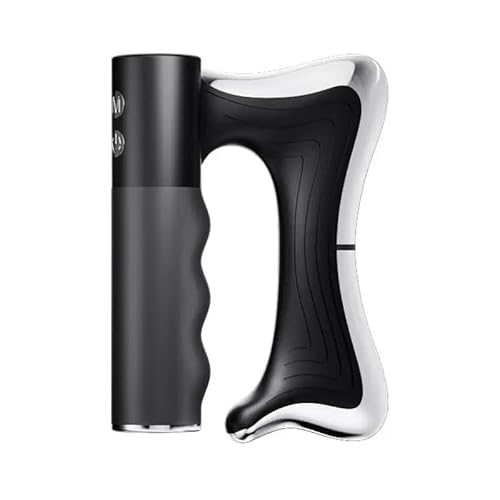
Sculptor Full Body Contour Device with Heat & EMS, Cellulite Massager Skin Firming & Lymphatic Drainage Muscle Relief Better Circulation, Electric Fascia Knife for Belly, Arm, Waist, Leg (Black)
【MULTIFUNCTIONAL MASSAGE TOOL】: The Multifunctional Massage Tool is a versatile electric fascia knife that serves multiple purposes. It…
As an affiliate, we earn on qualifying purchases.
As an affiliate, we earn on qualifying purchases.