
To manage pain with an epilator, start by preparing your skin with a warm shower, exfoliating beforehand, and applying a cold compress or pain reliever if needed. During use, keep your skin taut, move steadily in the direction of hair growth, and avoid pressing too hard. Using the right technique minimizes discomfort and irritation. Keep listening for more tips to help you epilate comfortably and effectively.
Key Takeaways
- Ensure skin is clean, dry, and free of lotions before epilating for smoother operation and less irritation.
- Hold skin taut and move the epilator slowly in the direction of hair growth for effective and less painful removal.
- Use cold compress or ice beforehand to numb the area and reduce discomfort during epilating.
- Avoid pressing hard; let the device glide gently at a 90-degree angle for better contact and minimized pain.
- Soothe skin afterward with fragrance-free moisturizer or aloe vera to reduce irritation and promote healing.

Epilators are an effective way to achieve smooth, hair-free skin, but many users find the process uncomfortable without proper technique and pain management. Understanding how to use your epilator correctly can make a significant difference in your experience. First, always make sure your skin is clean, dry, and free of lotions or oils before starting. This helps the device glide smoothly and reduces the risk of irritation. If you have sensitive skin, consider taking an over-the-counter pain reliever about 30 minutes before beginning, as this can help minimize discomfort. Applying a cold compress or ice pack to the area beforehand can also numb the skin slightly, making the process more tolerable.
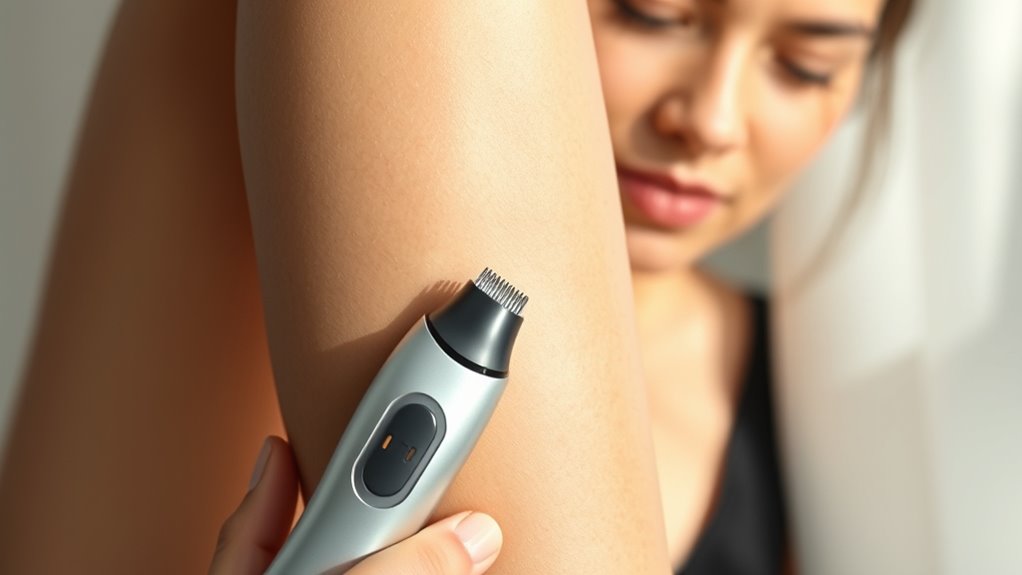
When you’re ready to start, hold your skin taut with one hand while guiding the epilator with the other. Moving slowly and steadily in the direction of hair growth is key. Rapid or haphazard movements can cause unnecessary pain and may increase the risk of skin irritation. Keep the device at a 90-degree angle to your skin for the best contact, and avoid pressing down too hard—let the epilator do the work. If you notice excessive pain, pause and give your skin a break; rushing through the process can lead to redness or minor injuries.
Timing your sessions during certain parts of your cycle can also help reduce discomfort. Many find that epilating just after a warm shower or bath opens the pores and softens hair, making removal easier and less painful. Exfoliating your skin a day or two before epilating helps prevent ingrown hairs, which can be painful and unsightly. After finishing, soothe your skin with a gentle, fragrance-free moisturizer or aloe vera gel to calm irritation. Avoid tight clothing immediately afterward, as friction can cause additional discomfort or irritation.
Frequently Asked Questions
Can Epilators Be Used on Sensitive Skin Areas?
Yes, you can use epilators on sensitive skin areas, but you should do so with caution. Make sure to choose an epilator with a gentle setting or a model designed for sensitive skin. Before your first use, test a small area to check for irritation. Keep the skin dry and clean, and consider applying a soothing lotion afterward. This approach minimizes discomfort and reduces the risk of irritation.
How Often Should I Replace My Epilator?
Think of your epilator as a trusted friend who needs regular updates to stay effective. You should replace it every 4 to 6 years or after about 3,000 to 4,000 uses. If you notice decreased performance or more pain, it’s time for a new one. Keeping your device current guarantees smooth, efficient hair removal and minimizes discomfort—like giving your skin a fresh start.
Are There Any Health Risks Associated With Epilating?
Yes, there are some health risks associated with epilating. You might experience skin irritation, redness, or ingrown hairs if you don’t follow proper technique. There’s also a small risk of infection if you don’t keep the device sanitized or if you use it on broken skin. To minimize these risks, make sure your skin is clean, avoid using the epilator on irritated areas, and disinfect the device regularly.
Can I Use an Epilator if I Have Skin Conditions?
You should be cautious about using an epilator if you have skin conditions. Conditions like eczema, psoriasis, or dermatitis can worsen with epilation due to irritation or inflammation. It’s best to consult your dermatologist before proceeding, as they can advise whether epilation is safe for your specific condition. If approved, follow proper techniques to minimize discomfort and avoid aggravating your skin.
What Is the Best Age to Start Epilating?
You can start epilating when you’re around 18 or once you’ve reached a stable level of hair growth and your skin is mature. It’s best to wait until your skin is fully developed and free of irritation or skin conditions. If you’re unsure, consult a dermatologist first. Always begin gently and follow proper technique to minimize discomfort and avoid skin issues as you start epilating.
Conclusion
Mastering your epilator is like honing a skilled artist’s brush—precision and patience create smooth results. By managing pain effectively and using proper technique, you turn a formidable task into a confident routine. Remember, every glide is a stroke toward flawless skin, much like a painter perfects each detail. With practice, you’ll find the process becomes less a battle and more a dance, leaving you radiant and ready to face the world with newfound ease.