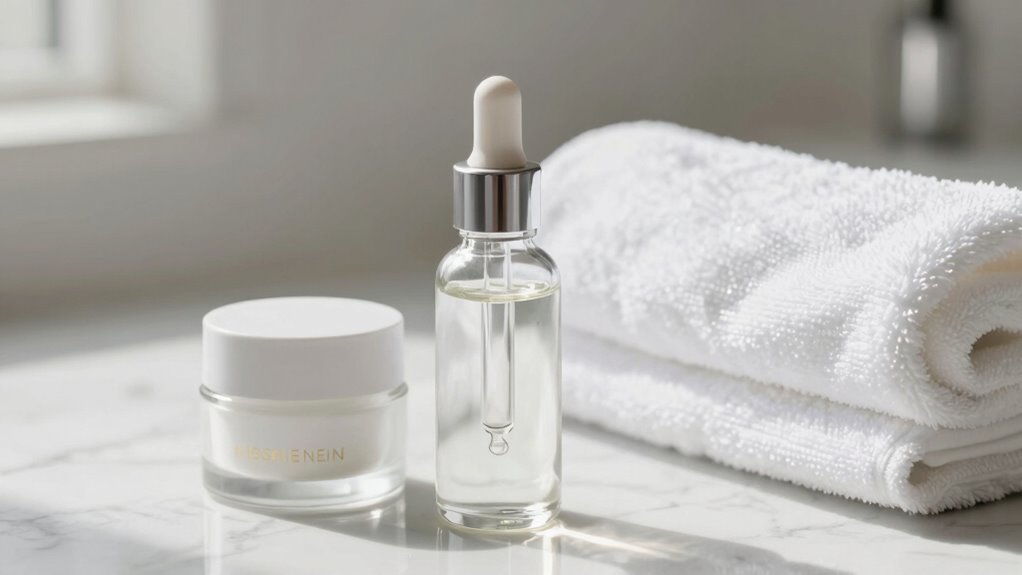
Yes, you can safely use peptides and retinoids together in your skincare routine. Peptides help boost collagen and repair skin, while retinoids accelerate cell turnover and reduce signs of aging. When used correctly, they work well without causing irritation, especially if you layer them properly—apply retinoids at night first, then follow with peptides or moisturizer. Proper use enhances your skin’s health and energy. Keep going to discover tips for ideal application and benefits.
Key Takeaways
- Peptides and retinoids can be combined safely with proper layering and timing in your skincare routine.
- Apply retinoids at night first, then layer peptides after absorption to enhance skin repair and reduce irritation risk.
- Peptides help soothe and support skin barrier recovery after retinoid use.
- Using moisturizers and antioxidants alongside improves overall skin health and minimizes dryness.
- Gradually introduce both ingredients to allow skin adaptation and monitor for any signs of irritation.
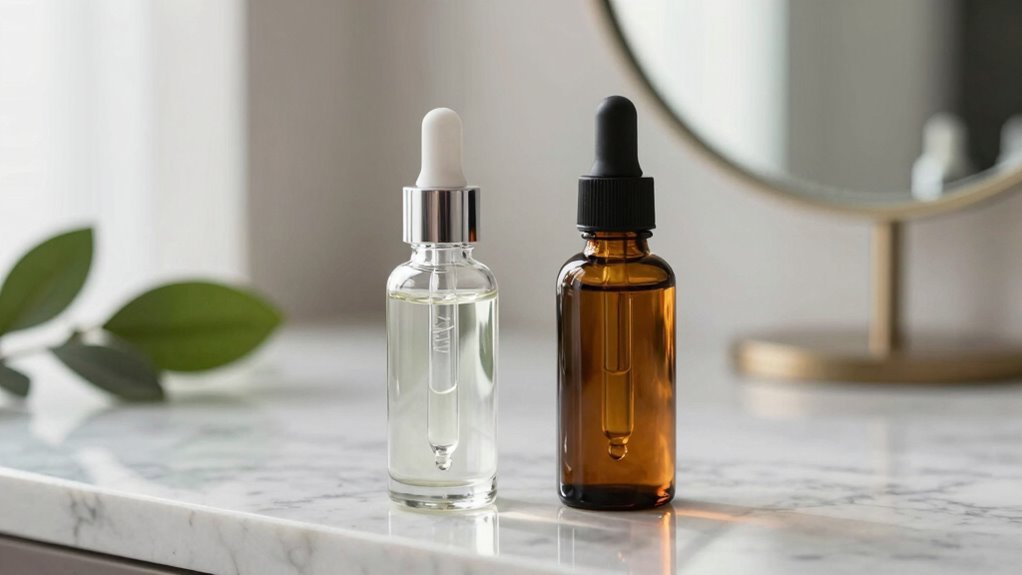
Many skincare enthusiasts wonder if they can safely combine peptides and retinoids in their routines, and the answer is yes—when used correctly, they can complement each other to improve skin health. Understanding ingredient interaction is key here. Both peptides and retinoids offer unique benefits: peptides are small protein fragments that encourage collagen production and skin repair, while retinoids accelerate cell turnover and help reduce signs of aging. When integrated thoughtfully, these ingredients can work harmoniously without causing adverse effects, provided you pay attention to skincare routine compatibility.
Peptides and retinoids can work together safely to boost skin health when used thoughtfully.
One major concern people have is whether using peptides and retinoids together might cause irritation or diminish each other’s effectiveness. The good news is that, generally, they can be used in the same routine without issues. Peptides are quite stable and tend to be gentle, making them suitable for most skin types, including sensitive skin. Retinoids, on the other hand, can sometimes cause dryness or irritation, especially when you’re just starting out. But by layering them properly, you can minimize these side effects. For example, applying peptides after your retinoid can help soothe the skin and support barrier repair, creating a balanced skincare routine compatibility.
Timing and application are essential. Many people find that applying retinoids at night and peptides in the morning works well. Alternatively, if you prefer using both ingredients at night, you can layer them, ensuring that your retinoid goes on first, followed by peptides once the retinoid has absorbed. This way, you avoid diluting the retinoid’s potency and still benefit from the peptides’ skin-repairing properties. Also, introducing these ingredients gradually allows your skin to adapt and reduces the risk of irritation. Additionally, understanding ingredient stability can help you optimize your routine and prevent degradation of active components. Incorporating supportive products like moisturizers and antioxidants can enhance the overall effectiveness of your skincare routine. Using a good moisturizer can help buffer potential dryness from retinoids, while antioxidant serums can boost overall skin health.
Another helpful tip is to pay attention to product formulation, as some formulations may be more compatible than others, ensuring maximum efficacy with minimal irritation. It’s also beneficial to consider proper storage of your skincare products, as exposure to light or heat can compromise their effectiveness. Just remember to keep your routine simple at first and observe how your skin responds. If you notice redness or discomfort, adjust your application frequency or consult with a dermatologist. Ultimately, with proper layering, timing, and patience, peptides and retinoids can be effective partners in your skincare regimen, delivering visible improvements in firmness, texture, and overall skin vitality.

The Ordinary Age Support Set – 3-Step Anti-Aging Skin Regimen with Multi-Peptide + HA, Multi-Peptide Eye Serum, and Natural Moisturizing Factors + PhytoCeramides | Skincare Set
COMPLETE ANTI-AGING 3-STEP REGIMEN: Target signs of aging across your face and eyes with our peptide-rich serum, eye…
As an affiliate, we earn on qualifying purchases.
As an affiliate, we earn on qualifying purchases.
Frequently Asked Questions
Are There Specific Skin Types That Benefit More From Combined Use?
If you have mature skin or skin prone to aging, combining peptides and retinoids can offer great age-related benefits, like improved elasticity and reduced wrinkles. However, if you have sensitive skin, you might experience irritation or redness. It’s best to start slowly and monitor how your skin reacts. People with skin sensitivity should consult a dermatologist before using these products together to guarantee they’re suitable for your skin type.
Can Using Both Cause Long-Term Skin Damage?
Think of your skin as a delicate garden. Using peptides and retinoids together is like planting new seeds and watering them carefully. While they can boost your skin’s health, they might also cause potential irritation if overdone. Long-term effects are rare with proper use, but overuse can lead to damage. Always introduce new ingredients gradually and monitor your skin’s response to avoid long-term harm.
How Should I Layer Peptides and Retinoids in My Skincare Routine?
You should apply retinoids first, as they can cause irritation and open your skin’s surface, then follow with peptides to promote healing and support skin renewal. To maintain peptide stability, wait a few minutes after applying retinoids before layering peptides. Always start slowly, watch for irritation, and use a moisturizer to minimize retinoid irritation, ensuring both ingredients work effectively without compromising your skin’s health.
Are There Any Ingredients That Should Be Avoided When Combining Them?
Think of your skincare ingredients as a symphony, where certain instruments might clash if played together. When combining peptides and retinoids, avoid using harsh acids or vitamin C simultaneously, as they can cause ingredient interactions and formulation instability. These ingredients can sometimes destabilize each other, leading to reduced effectiveness or irritation. To keep your routine harmonious, layer them carefully and observe how your skin responds, adjusting as needed.
What Are the Signs of Adverse Reactions From Using Both Together?
If you experience allergic reactions or skin irritation after using peptides and retinoids together, stop using both products immediately. Signs include redness, burning, itching, swelling, or blistering. These reactions indicate your skin isn’t tolerating the combination well. It’s wise to patch-test new products and consult a dermatologist if adverse effects persist. Always listen to your skin and adjust your routine to avoid long-term damage.
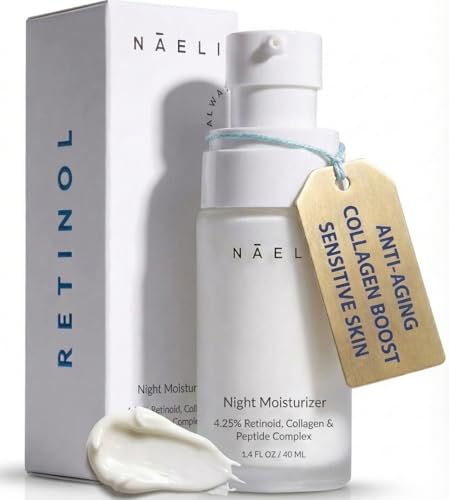
Retinoid Cream – 4.25% Retinol Night Moisturizer for Face & Neck with Collagen, Peptides & Hyaluronic Acid – Anti Aging Wrinkle Cream, Improves Skin Tone & Texture, 1.4 oz
NAELI RETINOL NIGHT CREAM – a potent, retinol cream for face and neck, anti aging 4.25% retinoid, collagen…
As an affiliate, we earn on qualifying purchases.
As an affiliate, we earn on qualifying purchases.
Conclusion
Yes, you can use peptides and retinoids together, but it’s essential to listen to your skin. With this combination, you nourish and renew, protect and repair, hydrate and restore. Embrace the harmony of these powerful ingredients, knowing they work together to enhance your skin’s health. Trust in the process, stay consistent, and celebrate your journey toward a more radiant, youthful glow—because your skin deserves the best of both worlds.

The Ordinary Multi-Antioxidant Radiance Serum, Vitamin C Serum For Face, Brighten & Protect Skin – Boosts Glow & Shields Against Environmental Stressors, 1 Fl Oz
POWERFUL VITAMIN C FACE SERUM FOR RADIANT SKIN – Infused with a stabilized form of Vitamin C and…
As an affiliate, we earn on qualifying purchases.
As an affiliate, we earn on qualifying purchases.

Skincare: The award-winning ultimate no-nonsense guide and Sunday Times No. 1 best-seller
As an affiliate, we earn on qualifying purchases.
As an affiliate, we earn on qualifying purchases.