
TL;DR
Cash remains the dominant payment method in the euro area, according to the ECB. Despite growth in digital payments, cash still leads in acceptance and usage, with implications for policy and consumers.
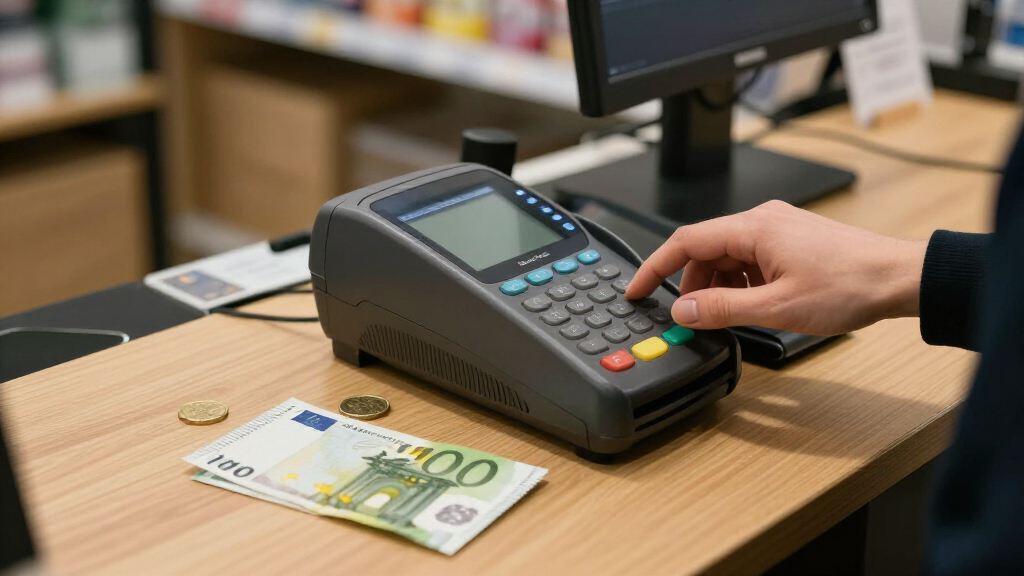
The European Central Bank (ECB) has confirmed that cash remains the most widely accepted payment method in the euro area, despite the rise of digital and electronic payments. This development underscores the continued importance of cash for consumers and businesses across the region, even as digital payment adoption accelerates.
The ECB’s latest report indicates that cash transactions still account for a significant share of payments in the euro area, with over 70% of retail transactions conducted in cash according to recent surveys. While digital payments, including card and mobile payments, have increased notably over the past decade, cash maintains its prevalence, especially among certain demographic groups and in specific regions.
Officials from the ECB emphasized that cash’s widespread acceptance is supported by its role in financial inclusion and consumer choice. The report also highlights that cash remains particularly vital in small-value transactions and in areas with limited digital infrastructure. Despite the growth of digital payment platforms, cash’s role in everyday transactions persists, with many businesses still preferring or accepting cash as a primary payment method.
Why Cash’s Dominance Matters in the Euro Area
The continued prominence of cash in the euro area has implications for policymakers, financial institutions, and consumers. It demonstrates that digital payment systems, while rapidly expanding, have not fully displaced cash, which remains crucial for financial inclusion, privacy, and transaction security. For central banks, this underscores the importance of maintaining robust cash infrastructure and considering its role in economic stability and emergency scenarios.
For consumers, the reliance on cash influences payment behaviors, especially among older populations and in rural areas. Retailers and service providers must continue to support cash acceptance to cater to all customer segments. Overall, the persistence of cash as a dominant payment method indicates that a balanced approach to digital and traditional payments remains essential.
As an affiliate, we earn on qualifying purchases.
Regional Payment Trends and the Role of Cash
Over the past decade, digital payments have seen rapid growth across the euro area, driven by technological advancements and consumer preferences for convenience. The ECB’s previous reports noted a steady decline in cash usage, but recent data shows that cash still accounts for a majority of transactions, especially in small-value payments.
European policymakers have debated the future of cash, with some advocating for a cashless society, while others emphasize the importance of maintaining cash infrastructure to ensure financial inclusion and resilience. The ECB’s latest findings suggest that, despite digital expansion, cash continues to be a vital component of the region’s payment ecosystem.
“Cash remains the most widely accepted payment method in the euro area, underscoring its ongoing importance for consumers and businesses.”
— ECB spokesperson
As an affiliate, we earn on qualifying purchases.
Uncertainties About Future Payment Trends
It is not yet clear how the continued reliance on cash will evolve in the coming years, especially as digital payment technologies become more widespread and consumer preferences shift. The ECB’s ongoing monitoring will determine whether cash’s share declines further or stabilizes.
Additionally, the impact of potential regulatory changes or technological disruptions on cash acceptance remains uncertain, and regional differences within the euro area could influence future trends.
cash handling and storage supplies
As an affiliate, we earn on qualifying purchases.
As an affiliate, we earn on qualifying purchases.
Next Steps in Monitoring Payment Method Usage
The ECB plans to continue collecting data on payment methods and consumer behavior to track shifts in payment preferences. Future reports will clarify whether cash’s dominance persists or diminishes further, especially in light of ongoing digital innovation and policy debates about cashless societies.
Stakeholders, including regulators, financial institutions, and businesses, will need to adapt to evolving payment landscapes, balancing innovation with inclusivity and security.
As an affiliate, we earn on qualifying purchases.
Key Questions
Why does cash still dominate payments in the euro area?
Cash remains widely accepted due to its role in financial inclusion, privacy, and convenience for small transactions, especially in regions with limited digital infrastructure.
Will digital payments eventually replace cash entirely?
It is uncertain. While digital payments are increasing, cash continues to be important for many consumers and businesses, and the ECB emphasizes maintaining cash infrastructure.
How does the ECB view the future of cash?
The ECB recognizes the importance of cash for financial stability and inclusion and plans to monitor payment trends to inform future policy decisions.
Are there regional differences in cash usage within the euro area?
Yes, cash usage tends to be higher in rural areas and among older populations, while urban and younger demographics favor digital payments.
What are the implications for businesses if cash declines?
Businesses will need to adapt by supporting digital payment methods, but maintaining cash acceptance remains important for serving all customer segments.
Source: primary