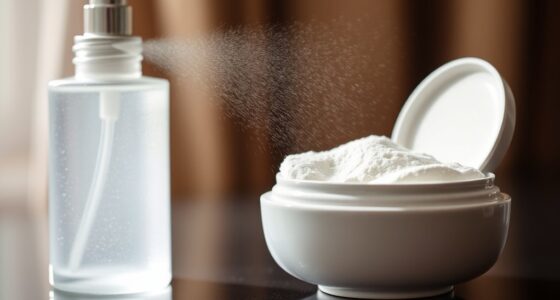
Setting powders help lock your makeup in place by absorbing excess oil and creating a matte, smooth finish that reduces shine all day. Setting sprays add a hydrating or radiant layer, helping your makeup meld seamlessly and last longer, especially with a dewy glow. While powders control shine and provide a matte look, sprays boost hydration and finish. Knowing your skin type and goals can help you choose. Keep exploring to see how they work best for you.
Key Takeaways
- Setting powders create a matte, shine-free finish and absorb excess oil, effectively locking makeup in place for longer wear.
- Setting sprays add hydration and a luminous glow, helping makeup meld seamlessly and enhancing a natural, dewy look.
- Powders are ideal for controlling oil and reducing shine, especially on oily skin or specific areas needing fixation.
- Sprays are better for adding radiance and hydration, particularly for dry or normal skin types, and can extend makeup longevity.
- Combining both products offers a balanced finish—powder for hold and spray for a fresh, luminous glow.
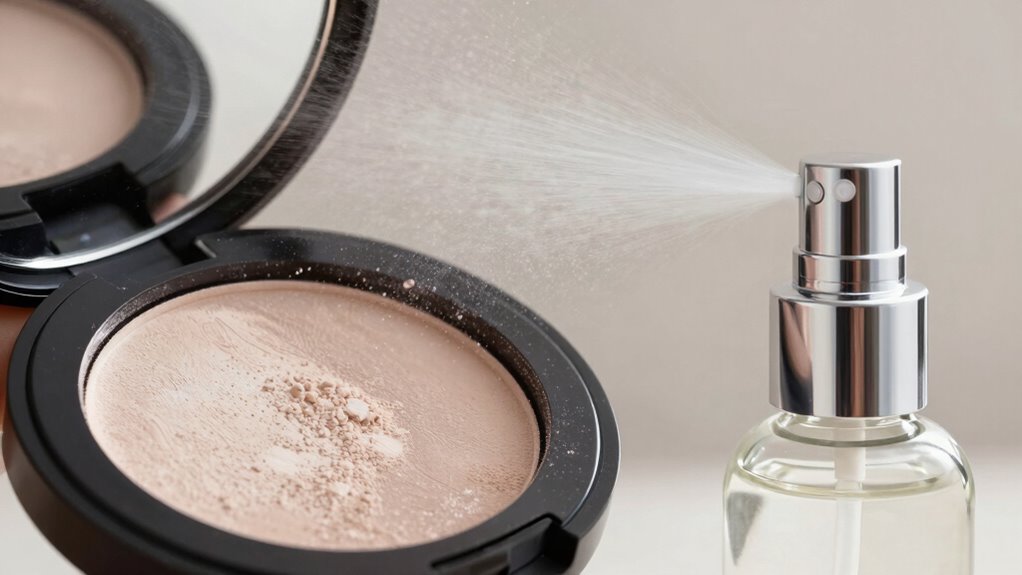
When it comes to achieving a long-lasting, flawless makeup look, setting powders and setting sprays are essential tools, but understanding their differences can help you choose the right product for your skin and desired finish. One of the key distinctions lies in the type of finish they provide. Setting powders are often favored for achieving a matte finish, especially if you struggle with excess shine or oiliness. They absorb oil throughout the day and create a smooth, velvety surface that minimizes the appearance of pores and imperfections. If you’re aiming for a polished, shine-free look that lasts, a matte finish setting powder can be your best friend. On the other hand, if you prefer a more radiant, luminous appearance, setting sprays can help you attain a dewy glow. These sprays add a subtle sheen and help your skin look fresh and hydrated, perfect for those who want their makeup to appear natural and glowing rather than flat or matte.
The application process also differs markedly between the two. You typically dust setting powder over your face using a brush or sponge, focusing on areas prone to oil or shine. This method allows you to control the level of coverage and finish, making it ideal for mattifying specific zones or setting your entire makeup look. Meanwhile, setting sprays are spritzed onto the face after completing your makeup routine. They work by adding a thin, even layer of hydration or radiance, helping to meld all your products seamlessly. For a dewy glow, you might choose a spray with illuminating particles or hydrating ingredients like hyaluronic acid, which enhance your skin’s natural luminosity. Additionally, some setting sprays may contain ingredients that help extend the wear of makeup, providing a long-lasting effect.
Both products serve the purpose of locking in your makeup, but their effects can vary based on your skin type and goals. If you have oily skin or want a long-lasting matte look that controls shine, a setting powder is usually more effective. Conversely, if you have dry or normal skin and want your makeup to look fresh and dewy throughout the day, a setting spray can help boost hydration and radiance. Some makeup enthusiasts even combine both for ideal results: powder to mattify and spray to add a finishing touch of glow. Ultimately, understanding your skin’s needs and your desired finish will guide you in choosing between these two products. Whether you prefer matte perfection or a luminous finish, knowing their differences ensures your makeup stays flawless and beautifully locked in all day.

Maybelline Fit Me Matte + Poreless Pressed Face Powder Makeup & Setting Powder, Translucent, 1 Count
Matte And Poreless Powder Face Makeup: Ideal for normal to oily skin, this long-lasting powder leaves a natural,…
As an affiliate, we earn on qualifying purchases.
As an affiliate, we earn on qualifying purchases.
Frequently Asked Questions
Can Setting Powders Be Used on Oily and Dry Skin Types?
You can definitely use setting powders on both oily and dry skin types. For oily skin, opt for a mattifying, oil-absorbing powder to control shine and enhance skin compatibility. If you have dry skin, choose a hydrating, luminous powder to add moisture and glow. The key is product versatility—selecting a powder suited to your skin’s needs guarantees a natural finish without emphasizing dryness or excess oil.
How Long Does Each Product Typically Last Throughout the Day?
Product longevity varies: setting powders typically last 4 to 6 hours, while setting sprays can often keep your makeup fresh for about 6 to 8 hours. You’ll find that powders provide a matte finish and solidify your look, boosting durability. Sprays, by contrast, offer a dewy glow and a flexible finish, enhancing overall makeup durability. To maximize longevity, consider your skin type and preferred finish when choosing between the two.
Are There Any Ingredients to Avoid in Setting Sprays or Powders?
You should avoid setting sprays and powders with harsh chemicals and fragrance allergens, as these can irritate your skin or cause breakouts. Look out for ingredients like alcohol, parabens, and synthetic fragrances. Instead, choose products with soothing, skin-friendly ingredients like aloe vera, chamomile, or mineral-based components. This helps keep your skin healthy and prevents allergic reactions, ensuring your makeup stays flawless without compromising your skin’s well-being.
Can Setting Spray Replace Primer or Foundation?
You shouldn’t rely on setting spray to replace primer or foundation. While it can hydrate your skin and help set makeup, it doesn’t provide the same base coverage or grip as primer alternatives or foundation substitutes. Use it as a finishing touch, not a replacement. Primer and foundation are essential for creating a smooth, long-lasting look, while setting spray enhances and prolongs that effect.
Is It Better to Apply Setting Powder Before or After Setting Spray?
It’s better to apply setting powder after setting spray because proper application order enhances product layering. First, spray your face to lock in moisture and set the foundation. Once it’s slightly dry, lightly dust on setting powder to mattify and reduce shine. This sequence prevents the powder from disrupting the spray’s finish, ensuring your makeup stays put longer and looks flawless throughout the day.
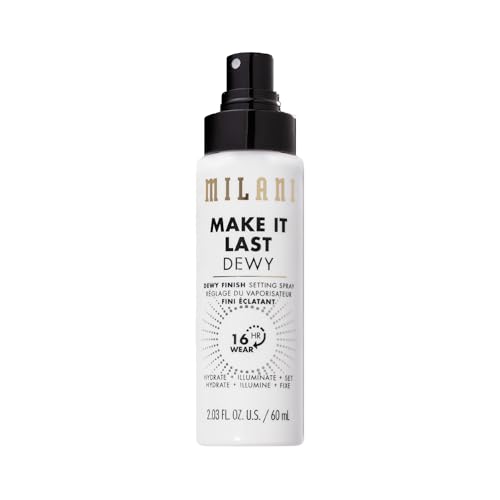
Milani Setting Spray + Primer, Make It Last Dewy – Dewy Finish Moisturizing Formula for Glow on the Go, Setting Spray for Makeup and Face Primer, Prime + Set + Hydrate, 2.03 Fl. Oz
HYDRATE, ILLUMINATE & SET: Prime, set and hydrate skin while also giving your brightness a boost with Make…
As an affiliate, we earn on qualifying purchases.
As an affiliate, we earn on qualifying purchases.
Conclusion
So, after all this fuss, it turns out both setting powder and spray claim to lock your look—yet neither can truly guarantee perfection. Ironically, the best way to keep your makeup intact might be just embracing the unpredictability. Whether you choose the matte finish or a dewy glow, remember, sometimes the magic happens when you stop obsessing about staying flawless. After all, a little imperfection keeps things interesting, doesn’t it?

L'Oreal Paris Infallible 3-Second Setting Spray Mist, Microfine Mist for up to 36HR Wear, Clear, 1.76 oz
Lock In Makeup for up to 36 Hour Wear: Infallible 3-Second Makeup Setting Spray with microfine mist provides…
As an affiliate, we earn on qualifying purchases.
As an affiliate, we earn on qualifying purchases.

Airspun Loose Setting Powder, Talc-Free, Pore Minimizer, Oil Absorbing Face Powder – Translucent
Talc free formula
As an affiliate, we earn on qualifying purchases.
As an affiliate, we earn on qualifying purchases.