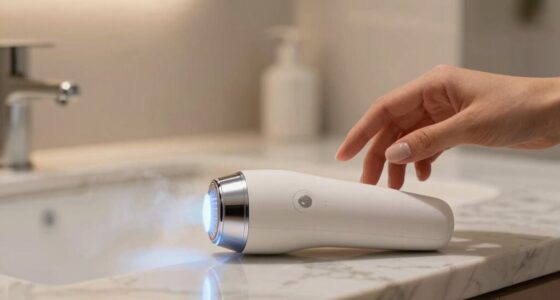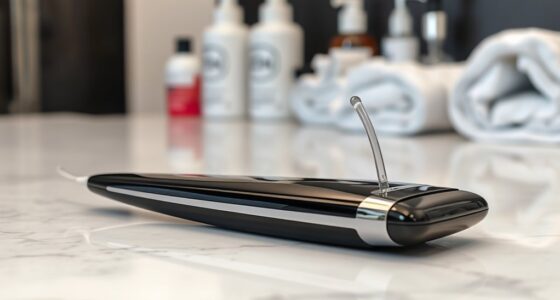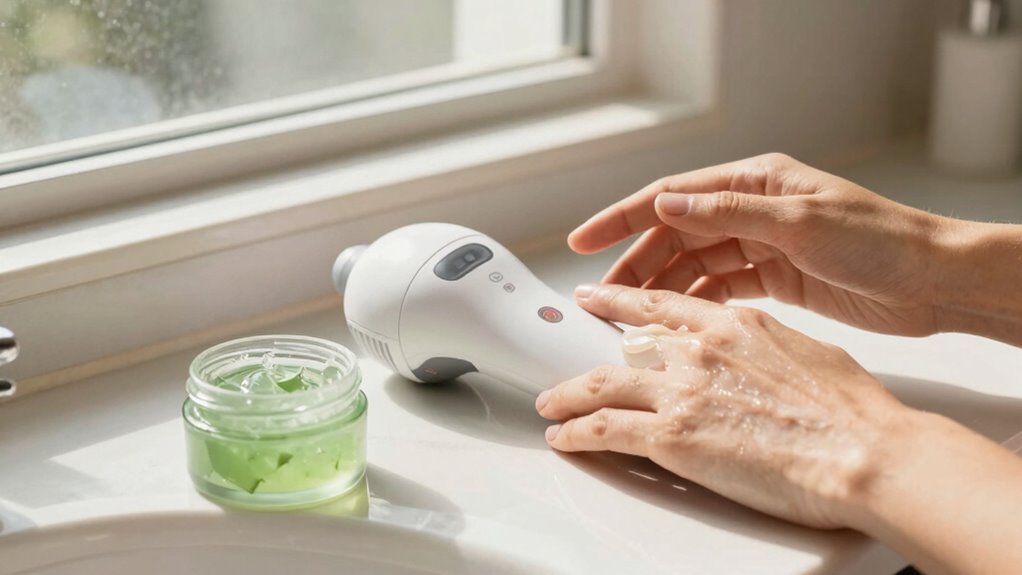
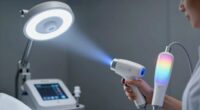
To use at-home IPL devices safely, you should consider your skin tone and choose a device compatible with it, since darker skin absorbs more light and risks burns. Avoid sun exposure for at least two weeks before and after treatments, and always apply broad-spectrum sunscreen during the day. Follow the manufacturer’s instructions carefully, conduct patch tests first, and consult a dermatologist if you have concerns. Staying mindful of these rules helps protect your skin and achieve the best results.

Get your next haul delivered free with Prime
- Fast, free delivery on millions of items
- Prime Video, Amazon Music and more included
- Member-only deals all year
Key Takeaways
- Conduct a patch test 24 hours before full treatment to check skin sensitivity and reaction.
- Avoid sun exposure for at least two weeks before and after IPL sessions to prevent skin damage and pigmentation issues.
- Confirm that your device is compatible with your skin tone to reduce risks of burns or uneven results.
- Follow manufacturer instructions carefully and never use IPL devices on recently sun-exposed or irritated skin.
- Protect your skin daily with broad-spectrum sunscreen and consult a dermatologist if you experience irritation or discomfort.
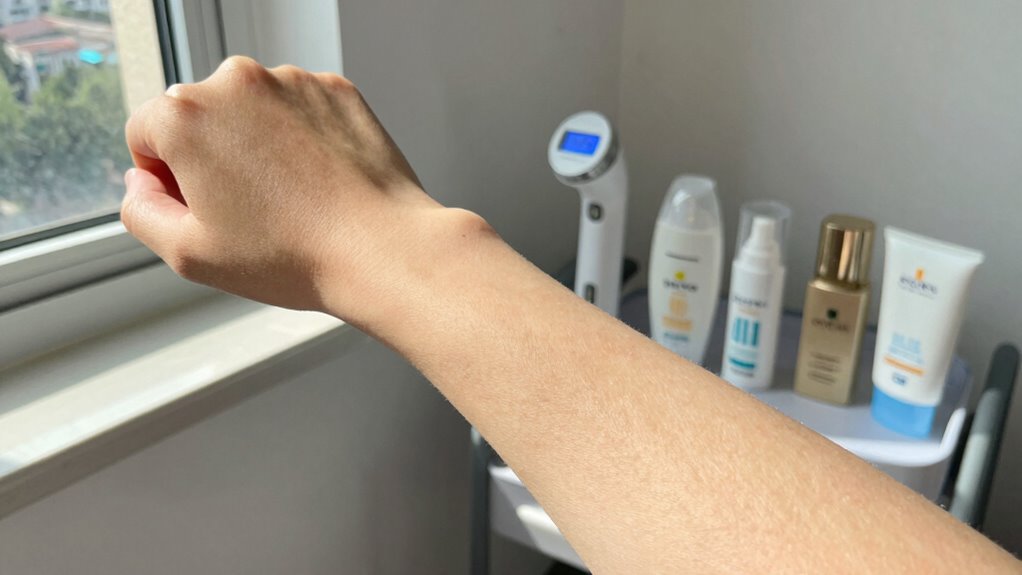
If you’re considering using at-home IPL devices for hair removal, safety should be your top priority. Although these devices are convenient and cost-effective, they still deliver intense pulses of light that can affect your skin if not used correctly. Understanding laser safety is essential to prevent burns, pigmentation changes, or other skin issues. Always read the manufacturer’s instructions carefully and follow their guidelines to guarantee you’re using the device safely. Ignoring safety protocols can lead to adverse effects, especially if you’re not familiar with how IPL works or if you have underlying skin conditions. Remember, laser safety isn’t just about avoiding burns; it’s about protecting your skin’s overall health during the treatment process.
Prioritize safety with at-home IPL devices by reading instructions carefully and following guidelines to protect your skin.
Your skin sensitivity plays a pivotal role in how well IPL devices work and how safe they are for you. If your skin is more sensitive, you might experience redness, irritation, or discomfort even with proper use. It’s important to perform a patch test before full treatment, typically 24 hours in advance, to see how your skin reacts. This step helps you determine whether your skin can tolerate IPL and if adjustments are needed. People with darker skin tones should exercise extra caution because the melanin that absorbs light in IPL treatments varies with skin color. Using a device not suited for your skin tone can lead to uneven results or burns, so always check the manufacturer’s recommendations related to skin tone compatibility.
Sun exposure is another significant factor to consider. You should avoid exposing your skin to direct sunlight for at least two weeks before and after IPL treatments. Sun exposure increases melanin production, which can interfere with the effectiveness of IPL and increase the risk of side effects like hyperpigmentation or burns. If your skin has been exposed to the sun recently, wait until your skin has returned to its natural color before proceeding with IPL. Wearing sunscreen diligently during the day is also essential, especially if you’re planning treatments. Protecting your skin from UV rays minimizes the risk of complications and ensures you get the best results from your at-home device. Additionally, understanding your skin type and tone can help determine the safety and effectiveness of IPL treatments, as different skin tones respond differently to light-based therapies.
Ultimately, safe at-home IPL use hinges on understanding your skin’s unique needs, respecting laser safety guidelines, and avoiding sun exposure before and after treatments. Being cautious and well-informed helps you achieve smooth, hair-free skin while minimizing potential risks. Never rush into treatments without proper preparation, and don’t hesitate to consult a dermatologist if you have concerns about skin sensitivity or safety. By following these rules, you can confidently use your device at home, knowing you’re doing everything possible to protect your skin and get favorable results.
at-home IPL skin tone compatibility device
As an affiliate, we earn on qualifying purchases.
As an affiliate, we earn on qualifying purchases.
Frequently Asked Questions
Can IPL Be Used on Tattooed or Pigmented Skin?
You shouldn’t use IPL on tattooed or pigmented skin, as it can cause uneven results or damage. Tattoo visibility may fade or blur, and pigmented skin safety is at risk, leading to burns or discoloration. Always avoid treating areas with tattoos or dark spots. Focus on safe zones, and consult the device instructions or a professional if you’re unsure. Prioritize skin safety to prevent unwanted side effects.
How Often Should I Perform At-Home IPL Treatments?
Oh, sure, go ahead and treat your hair every day—because who doesn’t love wasting time? In reality, you should space out your at-home IPL treatments based on your hair growth cycles, usually every 4 to 6 weeks. This allows your follicles to respond properly. Overdoing it won’t speed things up; it might just cause irritation. Stick to the recommended treatment frequency for safe, effective results.
Are There Any Age Restrictions for IPL Use?
Yes, there are age restrictions for IPL use. You should only use IPL treatments if your skin has reached full maturity, typically around 18 years or older. This helps guarantee your skin is developed enough to handle the treatment safely. Younger skin may be more sensitive and react unpredictably. Always check the product guidelines and consult a professional if you’re unsure about your skin maturity or age restrictions.
What Should I Do if I Experience an Adverse Reaction?
If you experience skin irritation after IPL, act quickly. According to recent studies, about 15% of users report temporary discomfort. First, stop treatment immediately and rinse the area with cool water. If the irritation worsens or causes severe pain, seek emergency care. Keep the area clean, avoid sun exposure, and follow your device’s instructions. Always consult a healthcare professional if symptoms persist or worsen.
Can IPL Be Combined With Other Hair Removal Methods?
You can combine IPL with other hair removal methods, but it’s essential to guarantee carefully. Combining treatments like waxing, threading, or shaving with IPL might enhance results or target different hair types. However, avoid using IPL immediately after other methods that irritate your skin. Always consult your provider or follow manufacturer instructions to ensure safe combination treatments and prevent adverse effects.
broad-spectrum sunscreen for IPL treatments
As an affiliate, we earn on qualifying purchases.
As an affiliate, we earn on qualifying purchases.
Conclusion
Remember, at-home IPL is like tending a delicate garden—you need to give it the right care and attention. Always consider your skin tone, avoid sun exposure, and follow the safety rules to keep your skin healthy and vibrant. Think of each session as watering your plants carefully—you want growth without damage. Stay cautious, stay consistent, and enjoy the beautiful, glowing results that come from treating your skin like a precious bloom.
As an affiliate, we earn on qualifying purchases.
at-home laser hair removal device
As an affiliate, we earn on qualifying purchases.
As an affiliate, we earn on qualifying purchases.
Fall Picks
fall essentials
As an affiliate, we earn on qualifying purchases.