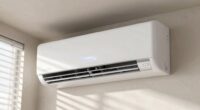
Dual-hose portable AC units usually offer better energy efficiency and stronger cooling performance than single-hose models. They require more complex installation, involving two vents and more setup time, but can save you money on energy bills in the long run. Single-hose units are easier and quicker to install but might not cool as efficiently. To find out which option suits your space and needs best, explore the details ahead.
Open a free Amazon Business account
Business pricing, bulk buying and tax-exempt orders.
As an affiliate, we earn on qualifying purchases.
Key Takeaways
- Dual-hose units typically offer higher energy efficiency and better cooling performance than single-hose models.
- Single-hose ACs are easier and quicker to install, making them suitable for portable, temporary use.
- Dual-hose systems can reduce energy consumption and operational costs over time due to improved airflow and heat management.
- Single-hose units may experience reduced efficiency in high-temperature environments, as they recirculate warm exhaust air.
- The choice depends on balancing the ease of setup with long-term energy savings and cooling effectiveness.
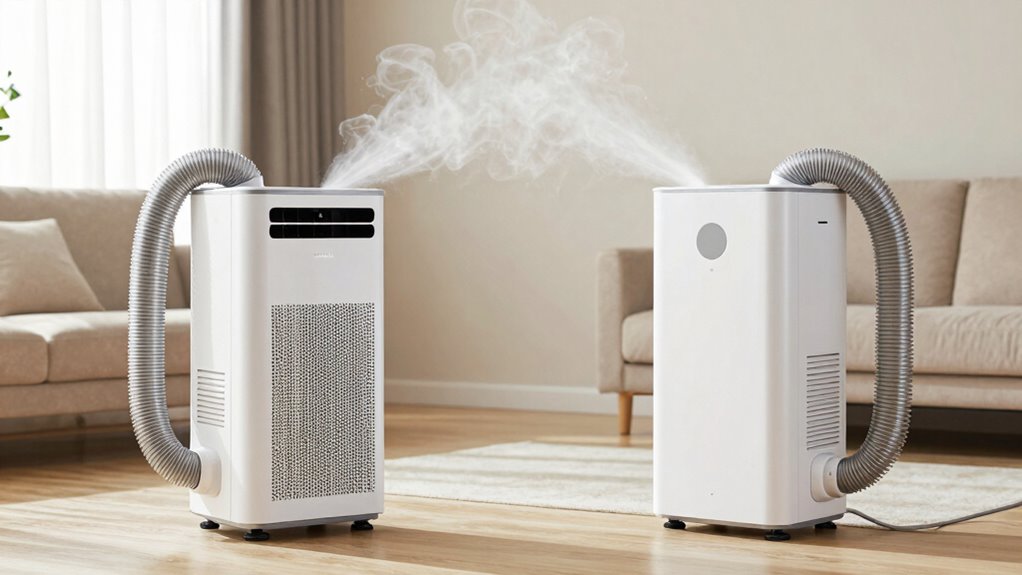
Installation complexity is another vital aspect where these models differ considerably. Single-hose units are generally easier to install because they require only one venting setup, making them a popular choice for quick, straightforward setups. You typically just need to attach the hose to a window vent kit, and you’re ready to go. Their simplicity makes them ideal if you want a portable unit without much hassle. On the other hand, dual-hose models tend to be more complicated to install. They require two hoses, each with their own venting mechanisms, which can involve more precise positioning and additional setup steps. This added complexity might involve mounting or securing two separate vents, which could be a challenge in smaller spaces or for those not comfortable with more involved installations. Despite the extra effort, many users find the improved energy efficiency and cooling performance of dual-hose units to be worth the extra setup time. Additionally, energy efficiency plays a significant role in long-term operational costs, making dual-hose models a more economical choice over time.
Frequently Asked Questions
How Do Dual-Hose and Single-Hose Units Compare in Noise Levels?
You’ll find that dual-hose units generally produce less noise than single-hose units because their design allows for more efficient airflow and less strain on the compressor. With an improved unit design, dual-hose models run more smoothly and quietly, making them a better choice if noise levels matter to you. However, actual noise can vary depending on the specific model and brand, so always check user reviews for real-world insights.
Can a Dual-Hose Portable AC Cool Multiple Rooms Effectively?
Imagine you’re trying to cool two adjoining rooms with a dual-hose portable AC. It can effectively cool multiple rooms if they’re connected or open, but it often struggles with separate spaces due to installation complexity and limited airflow. Dual-hose units are designed to improve room cooling efficiency, but for distinct rooms, you might need multiple units or a more permanent solution. Consider your room layout before relying solely on a dual-hose portable AC.
Are Dual-Hose Portable ACS More Energy-Efficient Than Single-Hose Models?
Yes, dual-hose portable ACs are generally more energy-efficient than single-hose models. They reduce energy consumption by better balancing intake and exhaust, which improves cooling performance and lowers operational costs. As a result, you’ll notice better cost efficiency over time, especially if you use the unit frequently. Choosing a dual-hose model can save you money on energy bills while providing more effective cooling.
What Maintenance Differences Exist Between Dual-Hose and Single-Hose Portable ACS?
Imagine you own a dual-hose portable AC; you’ll find filter replacement straightforward, needing to check and clean filters monthly for peak airflow. Drainage maintenance is similar for both, requiring you to empty or clean the drainage pan regularly to prevent mold. Single-hose models might need less filter upkeep, but dual-hose units demand consistent maintenance to keep both hoses and filters clear, ensuring efficient cooling and air quality.
Do Dual-Hose Units Require More Space for Installation?
Yes, dual-hose units generally require more installation space due to their larger unit footprint. You’ll notice that they need extra room for proper airflow and venting setup. When choosing between dual and single-hose models, consider your available installation space carefully. If space is limited, a single-hose unit might fit more easily, but a dual-hose may offer better efficiency if you have enough room to accommodate it comfortably.
Conclusion
In the battle between dual-hose and single-hose portable ACs, remember: efficiency depends on your needs. Dual-hose designs deliver dynamic cooling with less drain, while single-hose units offer simplicity but may struggle in larger spaces. Decide based on your demands—diligence in choosing the right device makes a difference. Don’t settle for less—select smart, save space, and stay cool with confidence. Make your move and maximize your cooling comfort today!
NFL season / tailgating Picks
team gear
As an affiliate, we earn on qualifying purchases.