
Your skin barrier relies on ceramides and cholesterol to stay strong and healthy. These lipids form a protective layer that locks in moisture and keeps harmful elements out. When your levels drop due to aging, stress, or harsh products, your skin can become dry, sensitive, and irritated. Restoring these key components helps rebuild your barrier, making your skin more resilient and comfortable. Keep going to discover how to effectively support your skin’s natural defenses.

Get your next haul delivered free with Prime
- Fast, free delivery on millions of items
- Prime Video, Amazon Music and more included
- Member-only deals all year
Key Takeaways
- Ceramides fill gaps between skin cells, preventing water loss and maintaining hydration.
- Cholesterol supports barrier fluidity, ensuring skin remains flexible and resilient.
- Both lipids work together to reinforce skin barrier integrity and protect against environmental stressors.
- Lipid imbalance, including low ceramides and cholesterol, leads to dryness, sensitivity, and compromised skin health.
- Replenishing ceramides and cholesterol with skincare helps restore barrier function and improve skin hydration.
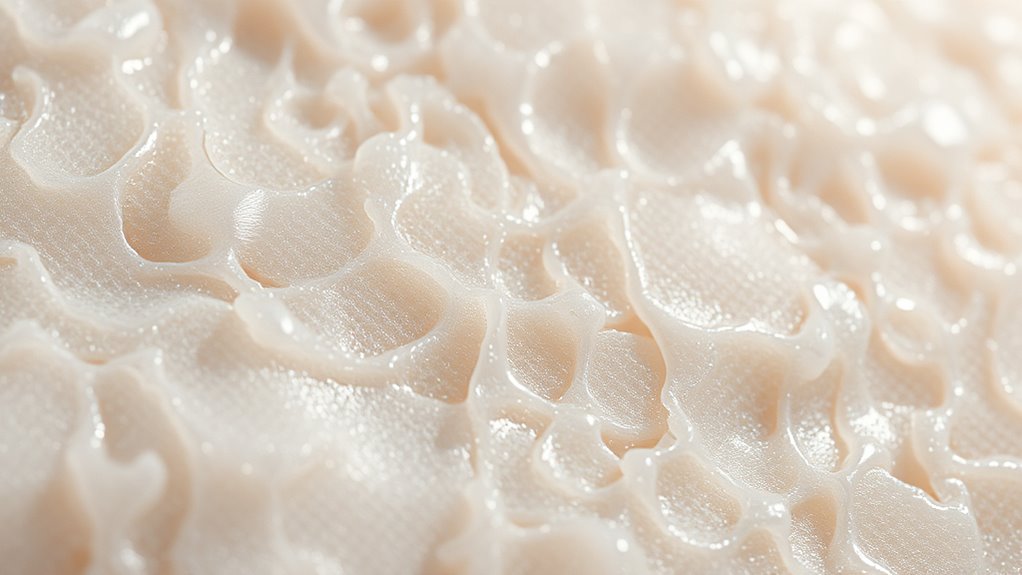
Have you ever wondered what keeps your skin healthy and protected? The answer lies in your skin barrier, a complex system that shields you from environmental damage, bacteria, and moisture loss. Central to this system is the lipids composition, which includes ceramides, cholesterol, and fatty acids. These lipids form a protective matrix that fills the spaces between skin cells, creating a formidable barrier against external aggressors. When this lipid balance is disrupted, your skin can become dry, sensitive, and prone to irritations. That’s why maintaining a healthy lipids composition is essential for skin hydration and overall skin health. Properly balanced lipids help retain moisture within your skin, preventing dehydration and making your skin feel soft, supple, and resilient.
A healthy skin barrier relies on balanced ceramides, cholesterol, and fatty acids to protect and hydrate your skin.
Ceramides and cholesterol are two of the most critical lipids in your skin barrier. Ceramides act like mortar between bricks, filling the gaps between skin cells and ensuring the barrier remains intact. They help prevent water from escaping, which is crucial for skin hydration. When ceramide levels drop—whether due to aging, environmental stress, or harsh skincare products—your skin becomes more permeable. This permeability leads to increased moisture loss, dryness, and a compromised barrier that’s more vulnerable to irritants. Cholesterol, on the other hand, serves as a fluidity regulator, maintaining the barrier’s flexibility and integrity. It works alongside ceramides to reinforce the barrier’s structure, ensuring it functions optimally, especially in fluctuating environmental conditions.
This delicate balance of lipids is what keeps your skin hydrated. When your skin is well-hydrated, it feels plump, smooth, and healthy. Conversely, when the lipids are depleted or imbalanced, water escapes more easily from your skin, leading to dryness and irritation. That’s why using skincare products that replenish ceramides and cholesterol can be so beneficial. These ingredients help restore the lipids composition, reinforce the skin barrier, and improve skin hydration. Additionally, understanding production quantity variance can be useful when formulating or manufacturing skincare products to ensure consistent quality and supply. It’s also why protecting your skin from harsh soaps, over-exfoliation, and environmental stressors is crucial—they can strip away these vital lipids, weakening your skin’s defenses.
In essence, your skin’s health hinges on its ability to maintain the right lipids composition. By ensuring your skin retains enough ceramides and cholesterol, you promote a strong, resilient barrier that keeps moisture in and harmful elements out. When your skin barrier functions properly, your skin stays hydrated, comfortable, and protected against the daily challenges it faces.
ceramide moisturizer for dry skin
As an affiliate, we earn on qualifying purchases.
As an affiliate, we earn on qualifying purchases.
Frequently Asked Questions
How Do Ceramides and Cholesterol Work Together to Strengthen the Skin Barrier?
Ceramides and cholesterol work together through lipids interaction to reinforce your skin barrier. They form a tight, protective layer that prevents moisture loss and shields against environmental damage. When these lipids are balanced, your skin stays hydrated and resilient. By supporting this natural barrier, ceramides and cholesterol help keep your skin healthy, smooth, and less prone to irritation or dryness, ensuring your skin remains strong and protected.
Can Diet Influence Ceramide and Cholesterol Levels in the Skin?
You’re right on the money — diet impact can definitely influence your ceramide and cholesterol levels in the skin. Eating nutrient-rich foods like fatty fish, eggs, and plant oils provides essential nutritional sources that support ceramide production. When you nourish your body with these, you give your skin the building blocks it needs to stay strong and resilient. So, what you eat really does make a difference in maintaining a healthy skin barrier.
Are There Specific Skin Conditions That Benefit Most From Ceramide and Cholesterol?
If you have eczema or dry skin, you’ll benefit most from ceramide and cholesterol support. These compounds help restore your skin’s barrier, reducing irritation and moisture loss. Incorporating ceramide-rich products can improve eczema management and dry skin treatment, making your skin feel calmer and more hydrated. Regular use strengthens your skin’s natural defenses, helping you manage flare-ups and maintain healthier, more resilient skin day-to-day.
How Do Environmental Factors Affect the Skin’s Ceramide and Cholesterol Content?
Imagine your skin as a fortress, with ceramides and cholesterol as its sturdy bricks. Pollution effects chip away at this wall, reducing these essential components, while humidity influence helps rebuild and strengthen it. When pollution levels rise, your barrier weakens, making skin prone to irritation. Conversely, high humidity supports preservation, keeping your ceramide and cholesterol levels balanced, so your skin stays resilient against environmental assaults.
What Are the Best Skincare Ingredients to Boost Ceramide and Cholesterol Production?
To boost ceramide and cholesterol production, you should look for skincare ingredients like plant oils, which provide natural lipids that help reinforce your skin barrier. Incorporate products containing lipid supplements, such as ceramide-containing creams, to support your skin’s natural synthesis. These ingredients work together to improve moisture retention, strengthen your skin’s defense, and promote overall skin health, especially when used consistently as part of your routine.
cholesterol skin barrier repair cream
As an affiliate, we earn on qualifying purchases.
As an affiliate, we earn on qualifying purchases.
Conclusion
Remember, a strong skin barrier is your first line of defense. By nourishing it with ceramides and cholesterol, you help keep moisture in and harmful elements out. Think of it as building a fortress—solid walls keep everything secure. Don’t forget, “Prevention is better than cure.” Taking care of your skin daily guarantees it stays resilient and healthy. So, treat your skin well, and it’ll reward you with a luminous, protected glow.
ceramide and cholesterol face serum
As an affiliate, we earn on qualifying purchases.
As an affiliate, we earn on qualifying purchases.
hydrating skincare with ceramides
As an affiliate, we earn on qualifying purchases.
As an affiliate, we earn on qualifying purchases.
Halloween Picks
halloween
As an affiliate, we earn on qualifying purchases.