
Hard water causes mineral buildup and cloudiness that can damage your appliances and make cleaning difficult. Chelating agents bind with minerals like calcium and magnesium, keeping them in solution and preventing deposits. Clarifying treatments remove suspended particles, improving water clarity and reducing scaling on surfaces. Combining these methods helps maintain appliance performance and enhances cleaning results. To learn how to choose and apply the right solutions, keep exploring ways to manage hard water effectively.
Key Takeaways
- Chelating agents bind with calcium and magnesium to prevent mineral deposits in hard water.
- Clarifying treatments remove suspended particles and reduce water cloudiness caused by mineral buildup.
- Combining chelating and clarifying methods enhances overall water quality and appliance lifespan.
- Proper use of these agents improves soap efficiency and household cleaning results.
- Water testing helps determine the appropriate treatment approach for specific mineral concentrations.
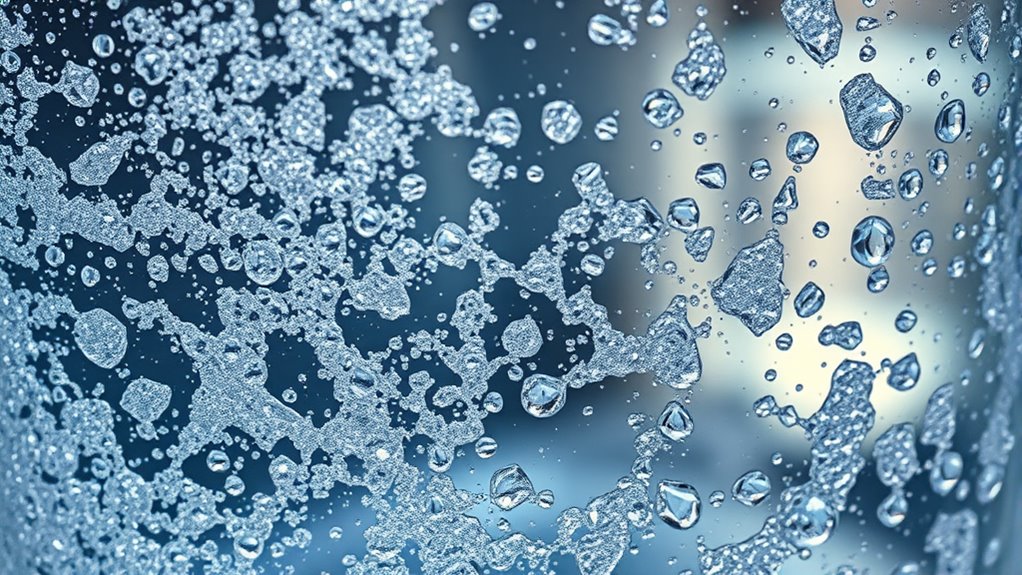
Hard water can cause mineral buildup and reduce the effectiveness of soaps and detergents, which is why understanding chelating and clarifying treatments is essential. When minerals like calcium and magnesium accumulate in your water, they create scale deposits on fixtures, appliances, and even your skin and hair. This buildup not only affects the appearance and functionality of your water-related appliances but also hampers your daily routines. To combat this, water treatment methods such as chelating agents and clarifiers are commonly used. These treatments help remove or prevent mineral deposits, ensuring your water stays cleaner and more effective for household tasks.
Chelating agents are specially formulated chemicals that bind with minerals in hard water, preventing them from forming deposits. As you use these agents in cleaning solutions or water-softening systems, they effectively “grab onto” minerals like calcium and magnesium, keeping them in solution rather than allowing them to settle out and cause buildup. This process makes soaps and detergents more effective because they don’t have to work against mineral interference. When you add chelating agents to your cleaning routines or water treatment systems, you notice improved soap lathering, better rinsing, and less scale formation. These treatments are especially useful in laundry, dishwashing, and cleaning applications, where mineral deposits can diminish performance and lead to costly appliance repairs over time.
Clarifying treatments, on the other hand, focus more on removing suspended particles and impurities that contribute to water cloudiness and mineral deposits. They work by causing small particles to clump together into larger particles that can be easily filtered out or settle out of the water. When you use clarifiers, your water becomes clearer, and the risk of mineral buildup on surfaces and inside plumbing reduces markedly. Clarifying agents are often used in municipal water treatment facilities but can also be applied at the household level through filtration systems or specific additives. These treatments improve water quality, prolong the lifespan of your appliances, and enhance overall water usability.
Both chelating and clarifying treatments are integral parts of water treatment strategies aimed at managing hard water. They help you maintain cleaner fixtures, extend the lifespan of appliances, and improve the effectiveness of soaps and detergents. Proper application of these treatments requires understanding your water’s specific mineral content and selecting products suited to your needs. Incorporating water testing can help determine the appropriate treatments for your situation. By integrating these methods into your water treatment routine, you can considerably reduce mineral buildup, improve water clarity, and enjoy better results in cleaning and daily chores. Ultimately, mastering chelating and clarifying treatments empowers you to combat hard water challenges effectively, saving you money and frustration down the line.
water softening chelating agents
As an affiliate, we earn on qualifying purchases.
As an affiliate, we earn on qualifying purchases.
Frequently Asked Questions
How Do Chelating Agents Affect Skin and Hair Health?
Chelating agents help improve your skin and hair health by binding to minerals, preventing buildup that can clog pores or dull hair. They support better mineral absorption, which keeps your skin’s pH balance intact and reduces irritation. By removing mineral deposits, chelating agents make your skincare and haircare routines more effective, leaving your skin smoother and hair shinier. You’ll notice a healthier glow with consistent use.
Are There Eco-Friendly Alternatives to Chemical Clarifiers?
Like a gentle stream erasing footprints, eco-friendly alternatives and natural clarifiers cleanse without harm. You can opt for vinegar, lemon juice, or baking soda, which naturally remove mineral buildup and impurities. These options are effective, sustainable, and safe for your skin, hair, and the environment. Embracing such natural clarifiers not only protects nature but also nurtures your health, creating a harmonious balance much like a well-tended garden.
Can Hard Water Impact Household Appliances Long-Term?
Yes, hard water can impact your household appliances long-term. The minerals in hard water cause buildup, leading to scaling that affects water softening and hampers appliance efficiency. Over time, this buildup can damage appliances like your dishwasher, water heater, and washing machine, reducing their lifespan. Regular appliance maintenance, including using water softeners or descaling agents, helps prevent damage and guarantees your appliances run smoothly and last longer.
What Are Signs of Mineral Buildup Caused by Hard Water?
You’ll notice mineral deposits on fixtures, making them look dull and stained. Soap scum may build up on shower doors, tubs, and sinks, creating a greasy film. You might also see white spots or rings around faucets and drains, indicating mineral buildup. Over time, these deposits can clog pipes or reduce appliance efficiency. Staying aware of these signs helps you catch and treat hard water issues early.
How Often Should Chelating Treatments Be Applied for Optimal Results?
Sure, because who wouldn’t want to keep battling mineral deposits? For ideal results, you should apply chelating treatments every 4 to 6 weeks as part of your maintenance schedule. This frequency helps prevent buildup and keeps your appliances running smoothly. Skipping this routine might save a few bucks now but will cost you more later with repairs and inefficient performance. Stick to the schedule and enjoy a mineral-free life!
hard water clarifying treatments
As an affiliate, we earn on qualifying purchases.
As an affiliate, we earn on qualifying purchases.
Conclusion
So, next time you’re battling stubborn mineral deposits, remember—hard water isn’t just a nuisance, it’s your fiery foe. Chelating and clarifying agents are your secret weapons, turning mineral chaos into crystal-clear victory. Who knew that fighting water’s natural stubbornness could be so satisfying? Embrace these techniques, and soon you’ll be the hero of your own sparkling, mineral-free kingdom—because, really, who wants a dull, mineral-laden life? Cheers to conquering hard water with style!
water mineral deposit remover
As an affiliate, we earn on qualifying purchases.
As an affiliate, we earn on qualifying purchases.
water clarifier for household use
As an affiliate, we earn on qualifying purchases.
As an affiliate, we earn on qualifying purchases.