
To prevent split ends, establish a gentle hair care routine that includes regular oiling with nourishing oils like coconut or argan, and always use a heat protectant before styling. Handle your hair softly with wide-tooth combs and avoid rough towel-drying. Schedule trims regularly and choose quality tools for cutting and styling. Incorporating these habits consistently helps strengthen hair and minimizes damage—continue exploring effective strategies to keep your hair healthy and split-end free.
Key Takeaways
- Regularly oil hair with lightweight oils like coconut or argan to nourish strands and reduce brittleness.
- Always apply a heat protectant before using styling tools to prevent heat-induced damage.
- Handle hair gently by patting dry and detangling with a wide-tooth comb to minimize mechanical stress.
- Use high-quality, sharp scissors for trims and maintain styling tools to prevent additional hair damage.
- Schedule routine trims and incorporate consistent hair care practices to proactively prevent and reduce split ends.
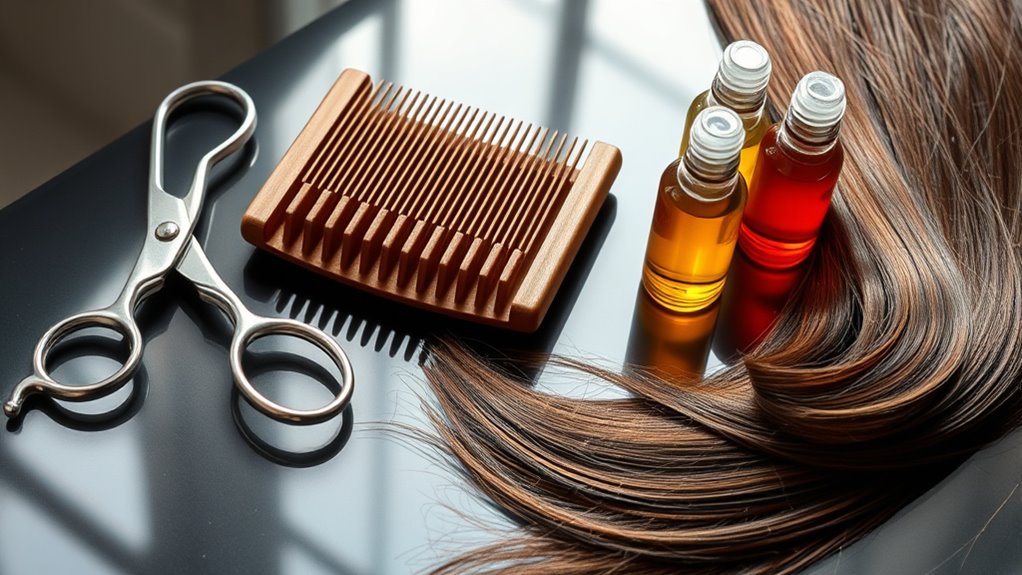
Split ends are a common hair problem that can make your hair look dull and unhealthy. When your hair is exposed to daily stressors like heat styling, environmental damage, and improper care, it becomes more prone to splitting at the ends. To prevent this, establishing a solid hair routine is essential, and it starts with understanding the importance of hair oiling and heat protection. Regularly applying hair oil is one of the most effective ways to strengthen your strands and keep your ends moisturized. Use a lightweight, nourishing oil like argan or coconut to coat your hair from mid-length to ends. This not only provides essential nutrients but also creates a protective barrier against damage. When your hair is well-oiled, it’s less likely to become brittle and split, especially during styling or exposure to harsh weather. Incorporating proper hair care practices can significantly reduce the risk of split ends over time.
Regular hair oiling strengthens strands and prevents split ends effectively.
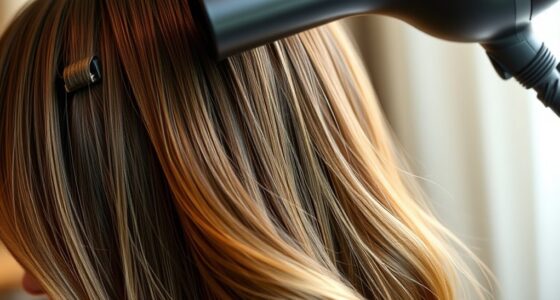
Heat protection is equally indispensable in your routine. If you frequently use blow dryers, straighteners, or curling irons, you must always apply a heat protectant spray or serum before styling. These products form a shield around your hair, reducing the direct impact of high temperatures that can weaken the cuticle and cause splits. Remember, even a few seconds of intense heat can damage your ends over time, so never skip this step. Combining hair oiling with heat protection creates a double layer of defense, helping your ends stay smooth, healthy, and less prone to splitting.
Aside from these, you should also focus on gentle handling of your hair. Avoid tugging or rough towel-drying, as it can cause mechanical stress and lead to split ends. Instead, gently pat your hair dry and use a wide-tooth comb to detangle. Regular trims are imperative too; cutting off just a small amount of damaged ends prevents splits from traveling further up the strand. Incorporate these habits into your routine, and you’ll notice fewer split ends over time.
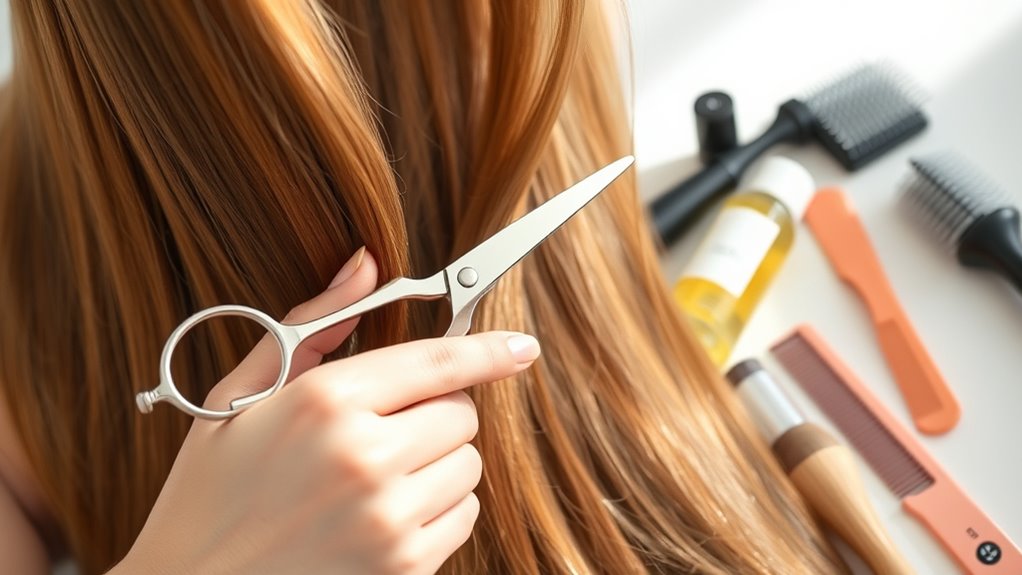
Using the right tools makes a significant difference. Opt for high-quality, sharp scissors when trimming, and choose heat styling tools with adjustable temperature settings. Keep your styling equipment clean and well-maintained to prevent uneven heat distribution that could harm your hair. Also, consider investing in a silk or satin pillowcase; these reduce friction while you sleep, minimizing breakage and split ends.

OGX Renewing + Argan Oil of Morocco Hair Oil, Extra Strength Penetrating Serum Treatment for Dry, Damaged, Frizzy, Curly & Coarse Hair, Cold-Pressed Argan Oil, Shine, 3.3 Fl Oz
Deep repair for damaged hair: This extra strength hair oil for damaged hair penetrates deeply to restore dry,…
As an affiliate, we earn on qualifying purchases.
As an affiliate, we earn on qualifying purchases.
Frequently Asked Questions
How Often Should I Get Professional Hair Trims?
You should get professional hair trims every 6 to 8 weeks to keep your ends healthy, especially if you’re frequently hair dyeing or heat styling. Regular trims help prevent split ends from traveling up the hair shaft, which can be worsened by coloring and heat use. Staying consistent with trims guarantees your hair remains smooth and strong, making styling easier and less damaging over time.
Can Diet Impact Split End Prevention?
Yes, your diet markedly impacts split end prevention. Focus on diet and hair health by eating nutrient-rich foods like omega-3s, vitamins A, C, and E, and biotin. Nutritional supplements can also support hair strength and reduce split ends. When your body gets the right nutrients, your hair becomes more resilient, less prone to damage, and maintains healthier ends. Prioritize a balanced diet for stronger, less split hair.
Are Natural Oils Effective for Preventing Split Ends?
Yes, natural oils can be effective for split prevention. When you apply oils like coconut, argan, or jojoba, they penetrate your hair shaft, helping to hydrate and strengthen your strands. This added moisture reduces dryness, which is a common cause of split ends. Regularly using natural oils as part of your hair care routine can make your hair more resilient, minimizing split formation and promoting healthier, smoother hair.
What Are the Best Tools for Minimizing Hair Damage?
You should opt for quality tools like sharp scissors for hair cutting, which prevent unnecessary damage, and use heat styling tools with adjustable temperature settings to minimize heat exposure. Always apply a heat protectant before styling, and avoid high heat levels. Additionally, using ceramic or tourmaline tools helps distribute heat evenly, reducing damage. Regular trims and gentle handling also prevent split ends and keep your hair healthy.
Does Hair Type Affect Split End Formation?
Absolutely, your hair type influences split end formation. Think of your hair’s porosity and curl pattern as a roadmap—high porosity and tightly curled hair tend to be more vulnerable to damage, leading to split ends. Embrace this uniqueness, knowing that understanding your hair’s specific needs helps you choose the right products and routines. With care tailored to your hair type, you can safeguard your strands and keep them healthy and vibrant.

OGX Repair & Protect Bond Protein Repair 450°F Heat Protect Spray, Weightless Repair Mist for Nonstop Damage Protection* for All Hair Types, Heat Spray Preps Hair for Styling, 6.5 fl. oz
YOUR HEAT DAMAGE FIX: OGX Repair & Protect Bond Protein Repair Heat Protection Spray from the #1 Hair…
As an affiliate, we earn on qualifying purchases.
As an affiliate, we earn on qualifying purchases.
Conclusion
By sticking to a steady routine and choosing the right tools, you become the guardian of your hair’s health. Think of your strands as delicate threads in a tapestry—gentle care keeps them strong and vibrant, preventing split ends from sneaking in like tiny cracks. With every careful snip and nourishing treatment, you’re weaving a resilient, radiant mane. So, embrace these habits and let your hair shine like a well-loved masterpiece, full of life and beauty.

Paul Mitchell Detangler Comb, Wide Tooth Comb Detangles Wet or Dry Hair
Easily detangle wet or dry hair
As an affiliate, we earn on qualifying purchases.
As an affiliate, we earn on qualifying purchases.

The Cut Factory® 6.5” Matte Black Luxury Hair Scissors – Ultra-Sharp High Carbon Steel Barber Shears for Men, Women & Kids – Gift-Boxed with Leather Pouch – Precision Cutting for Salon & Home
1- Superior and Premium Quality material: Our professional hair scissors are made of 100% premium stainless steel material….
As an affiliate, we earn on qualifying purchases.
As an affiliate, we earn on qualifying purchases.