
To optimize hair health, start with pre-wash oiling by massaging lighter oils like argan or grapeseed into your scalp to boost circulation and prepare your hair for washing. After shampooing, apply a nourishing finishing oil to locks and ends to seal moisture and add shine. The choice of oils depends on your hair porosity to maximize benefits. Exploring these techniques further can help you create a tailored routine for stronger, healthier hair.
Key Takeaways
- Pre-wash oiling involves scalp massage with light or rich oils based on scalp and hair porosity to stimulate blood flow and prepare for washing.
- Scalp stimulation through gentle massage enhances nutrient distribution, activates hair follicles, and promotes healthier hair growth.
- Selecting oils according to hair porosity (lighter for low, heavier for high) ensures optimal absorption and scalp nourishment.
- Finish by applying oil to hair lengths and ends, leaving it on hours or overnight for added moisture sealing and shine.
- Proper hair oiling routines strengthen hair, protect against damage, and support overall scalp and hair health.

Hair oiling is a popular natural method to nourish and strengthen your hair, but choosing the right technique can make all the difference. When it comes to pre-wash oiling, focusing on scalp stimulation and understanding your hair porosity can profoundly impact the results. Scalp stimulation involves massaging the oil into your scalp to improve blood circulation, which encourages hair growth and helps distribute nutrients more effectively. If your scalp tends to get oily quickly, using light oils like argan or grapeseed can prevent clogging pores, especially if you have high hair porosity. Conversely, if your scalp feels dry or flaky, richer oils like coconut or castor can provide deep nourishment. The key is to tailor your oil choice to your scalp’s needs and ensure you’re massaging thoroughly but gently. This initial step not only prepares your hair for washing but also activates hair follicles, making your hair more receptive to subsequent treatments.
Understanding hair porosity is essential when selecting oils for pre-wash application because it influences how your hair absorbs and retains moisture. Low-porosity hair tends to repel moisture, so lighter oils that penetrate less deeply work better to avoid buildup. High-porosity hair, on the other hand, absorbs oils quickly but also loses moisture easily, so a heavier oil can help seal in hydration. During scalp stimulation, you’ll want to be mindful of these factors to maximize benefits. For example, a gentle scalp massage with a lightweight oil can boost circulation without weighing down your hair, especially if your hair has high porosity. If your hair has low porosity, applying a slightly warmer oil or mixing it with a few drops of a lighter oil can enhance penetration and improve overall health.
Finish your hair oiling routine by applying oil to the lengths and ends of your hair, which often require extra care. After the pre-wash massage, you might leave the oil on for a few hours or overnight, depending on your hair’s needs. When you’re ready to wash, use a gentle shampoo to remove excess oil without stripping away moisture. This finishing step helps seal the cuticles, adds shine, and reduces frizz. Properly sealing your hair with oil after washing is especially beneficial if you have porous hair that tends to absorb moisture quickly. It also helps to prevent damage from environmental factors and heat styling. By combining scalp stimulation with a thoughtful understanding of your hair’s porosity and applying oil as a finishing treatment, you set the stage for healthier, stronger hair that looks and feels great.
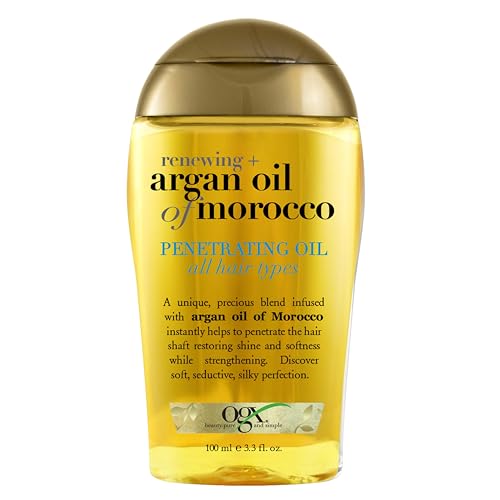
OGX Renewing + Argan Oil of Morocco, Cold-Pressed Argan Oil for Hair Penetrating Treatment & Shine, Moisturizing & Strengthening Silky Oil for All Hair Types, Paraben & Sulfate Free, 3.3 fl oz
Argan oil for hair: Penetrating hair oil treatment with cold-pressed Moroccan argan oil nourishes and renews each strand;…
As an affiliate, we earn on qualifying purchases.
As an affiliate, we earn on qualifying purchases.
Frequently Asked Questions
Can Hair Oiling Prevent Hair Fall Effectively?
Yes, hair oiling can effectively prevent hair fall when done properly. It helps improve oil absorption into your scalp, nourishing hair follicles and reducing breakage. Additionally, oiling stimulates your scalp, boosting blood circulation and promoting healthier hair growth. Regular scalp stimulation through oiling strengthens roots and minimizes hair fall over time. Just make certain you choose suitable oils and massage gently for best results, making hair oiling a beneficial part of your routine.
How Often Should I Oil My Hair for Best Results?
You should oil your hair 2-3 times a week for the best results. Follow the frequency guidelines to prevent greasiness and scalp buildup. When applying oil, use gentle massaging techniques to stimulate circulation and make certain of even distribution. For pre-wash oiling, leave it on for 30 minutes to an hour, and for finish, a light application works well. Consistency is key to promoting hair health and reducing hair fall.
Is It Necessary to Wash Hair Immediately After Oiling?
No, you don’t need to wash your hair immediately after oiling. Allow the oil to absorb into your scalp and hair for at least a few hours or overnight to maximize benefits. This helps with oil absorption and nourishes your scalp deeply. When you do wash, use a gentle cleanser to effectively cleanse your scalp without stripping natural oils. This way, you maintain healthy hair and scalp balance.
Which Oils Are Best for Different Hair Types?
For fantastic hair, find your fit with suitable oils based on your hair type. If your hair is dry and damaged, opt for nourishing coconut or argan oil. For oily scalp, lightweight jojoba or grapeseed oil works well. Curly or textured hair benefits from thick castor oil, while fine hair appreciates light, quick-absorbing options like almond. Match your hair type with suitable oils to boost shine and strength effortlessly.
Can Hair Oiling Help With Scalp Conditions Like Dandruff?
Yes, hair oiling can help with scalp conditions like dandruff, especially if you select oils with antimicrobial properties such as tea tree or neem. These oils can reduce scalp infections and soothe hair sensitivity, alleviating dandruff symptoms. Regular massage with the right oil improves blood circulation, promotes healthier scalp, and minimizes flakiness. Just guarantee you avoid oils that may clog pores or irritate sensitive skin.

Hair Mineral Analysis
* 17 toxic heavy metals
As an affiliate, we earn on qualifying purchases.
As an affiliate, we earn on qualifying purchases.
Conclusion
Remember, a little oiling goes a long way. Whether you choose pre-wash or finish, consistency is key to healthy hair. Don’t rush the process—take your time and enjoy the ritual. As the saying goes, “Patience is a virtue,” and with regular care, you’ll see your hair become stronger and shinier. Embrace these methods and make hair health a nourishing habit you look forward to.

Palmer's Coconut Oil Formula Moisture Boost Deep Hair Conditioner, 12 Fl Oz
Deep Conditioner: This intense concentrated conditioning treatment quickly penetrates to deeply hydrate and restore dry, damaged and dull…
As an affiliate, we earn on qualifying purchases.
As an affiliate, we earn on qualifying purchases.

Massager Hair Growth Oil Applicator For Men And Women – Easy, Mess-Free, Precise Control Bask And Lather Scalp Stimulator For Adults – Promotes Clean, Healthy Hair Growth
**Not Compatable with MCT and Coconut Based Oils**
As an affiliate, we earn on qualifying purchases.
As an affiliate, we earn on qualifying purchases.