
Exfoliation helps you reveal brighter, smoother skin by removing dead cells through three main types: physical, which uses scrubs or tools to manually lift debris; chemical, involving acids like AHAs or BHAs to dissolve bonds between dead cells; and enzymatic, using fruit enzymes like papaya to gently break down dead skin without abrasion. Each method suits different skin types and needs, and exploring these options will help you find what’s best for your skin’s health and glow.
Key Takeaways
- Physical exfoliation involves manual removal of dead skin with scrubs or tools for immediate smoothing.
- Chemical exfoliation uses acids like AHAs or BHAs to dissolve bonds between dead skin cells, providing deeper exfoliation.
- Enzymatic exfoliation employs natural enzymes from fruits such as papaya or pineapple for gentle, effective skin renewal.
- Each method varies in abrasiveness, suitability, and skin type compatibility, making choice dependent on individual skin needs.
- Regular exfoliation enhances skin brightness, texture, and product absorption while promoting healthier, youthful skin.
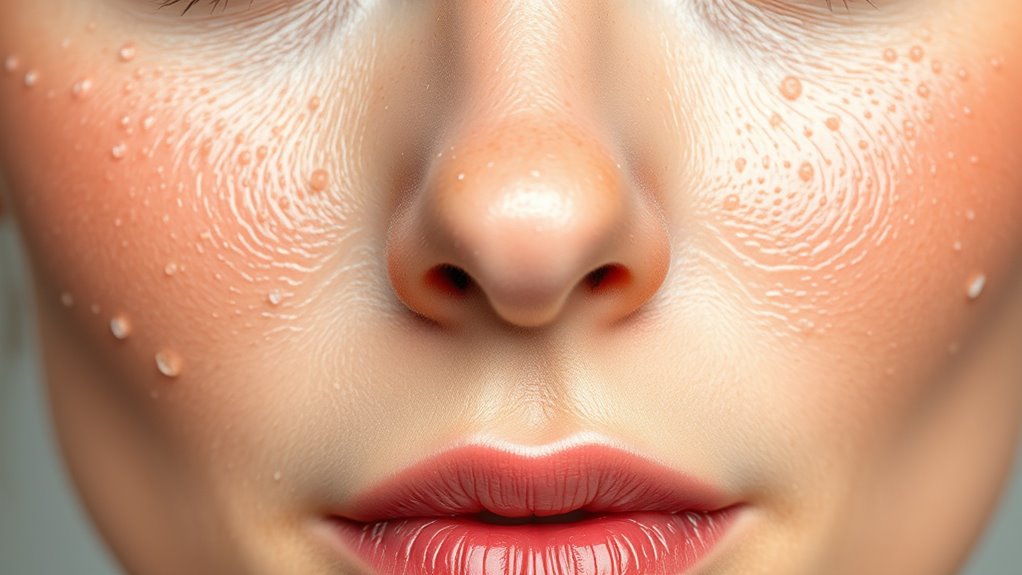
Have you ever wondered why your skin looks dull or feels rough? It might be because your skin isn’t renewing itself as efficiently as it used to. That’s where exfoliation comes into play. By removing the dead skin cells that accumulate on the surface, you promote skin renewal, revealing fresher, smoother skin underneath. Exfoliation benefits are numerous; it can brighten your complexion, improve texture, and even help with issues like acne or hyperpigmentation. When you incorporate regular exfoliation into your skincare routine, you support your skin’s natural process of shedding old cells and making way for new ones. This process boosts circulation and encourages healthy cell turnover, giving your skin a more vibrant appearance.
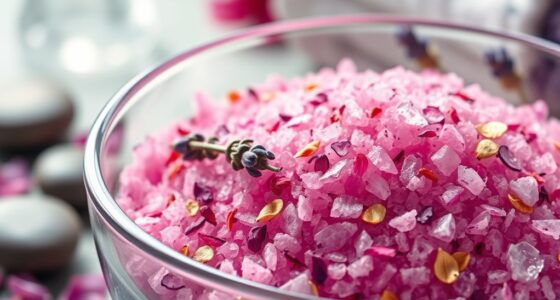
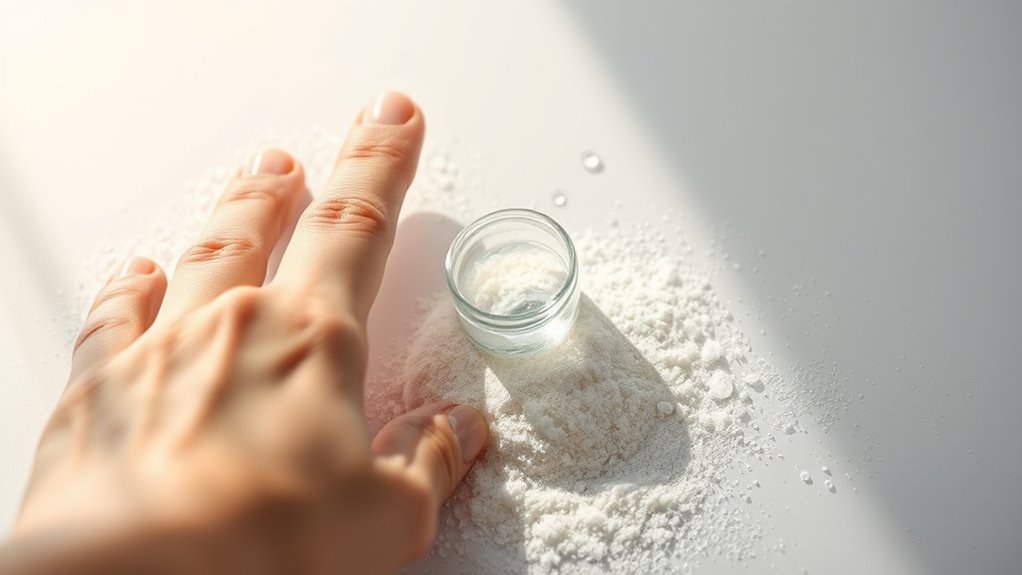
There are different types of exfoliation, each with its own set of benefits and suited to various skin types. Physical exfoliation involves using scrubs or tools that manually slough off dead skin cells. When you use a gentle scrub, tiny particles or brushes lift away the debris on your skin’s surface. The key is to be gentle, as aggressive scrubbing can cause microtears and irritation. Chemical exfoliation, on the other hand, uses acids like alpha hydroxy acids (AHAs) or beta hydroxy acids (BHAs) to dissolve the bonds holding dead cells together. This method penetrates deeper and can be more effective for those with uneven tone or acne-prone skin. Chemical exfoliants tend to be more uniform and less abrasive, making them suitable for sensitive skin when used correctly. Enzymatic exfoliation is a gentler alternative that utilizes enzymes derived from fruits like papaya or pineapple to break down proteins in dead skin cells. It’s ideal for sensitive skin or those who prefer a natural approach. Enzyme-based exfoliants work softly but effectively, delivering the exfoliation benefits without harsh abrasives or acids.
Whichever method you choose, consistency is key. Overdoing it can strip your skin’s natural oils and cause irritation, so find a balance that suits your skin type. Incorporate exfoliation a few times a week, and always follow up with a moisturizer and sun protection. Doing so helps maintain your skin’s barrier while maximizing the renewal process. Remember, exfoliation isn’t just about smoother skin; it’s about supporting your skin’s health and resilience. When done correctly, it enhances your overall complexion, making your skin look radiant, feel softer, and stay youthful longer. Keep in mind that the right exfoliation routine can transform your skincare game, giving you a clearer, more luminous glow every day.

Cetaphil Exfoliating Face Wash, Extra Gentle Daily Face Scrub, Gently Exfoliates & Cleanses, For All Skin Types, Non-Irritating & Hypoallergenic, Suitable For Sensitive Skin, 6 Fl Oz
- Gentle exfoliation for radiant skin: Buffs away dull, dry skin gently
- Cleanses without over drying: Leaves skin soft, smooth, and radiant
- Suitable for daily use: Gentle microfine granules for sensitive skin
As an affiliate, we earn on qualifying purchases.
As an affiliate, we earn on qualifying purchases.
Frequently Asked Questions
Can Exfoliation Cause Long-Term Skin Damage?
Exfoliation can cause long-term skin damage if you overdo it, leading to a weakened skin barrier. When you exfoliate too often or aggressively, you strip away necessary oils and cells, making your skin more vulnerable to irritation and environmental damage. To avoid this, follow recommended guidelines, listen to your skin’s signals, and choose gentle methods. Proper exfoliation enhances skin health without risking long-term harm.
How Often Should Sensitive Skin Be Exfoliated?
You should exfoliate sensitive skin no more than once a week to avoid irritation. Use gentle scrubs and be mindful of exfoliation frequency, as overdoing it can cause damage and redness. Always listen to your skin’s response and opt for mild products designed for sensitive skin types. If you notice redness or discomfort, reduce the frequency or switch to gentler exfoliation methods to keep your skin healthy.
Are There Natural Alternatives to Chemical Exfoliants?
Yes, there are natural alternatives to chemical exfoliants. You can try herbal remedies like ground oatmeal, honey, or mashed fruits such as strawberries or papaya for DIY exfoliants. These natural ingredients gently slough off dead skin without harsh chemicals, making them ideal for sensitive skin. Just mix them into a paste and gently massage onto your face, then rinse thoroughly for a revitalizing, natural glow.
What Ingredients Should I Avoid During Exfoliation?
Think of your skin like a delicate plant that needs gentle watering. You should avoid harsh chemicals and synthetic fragrances during exfoliation, as they can cause irritation or damage. Steer clear of ingredients like alcohol, artificial dyes, and strong fragrances. These can strip your skin’s natural barrier, leaving it vulnerable. Always check labels and opt for soothing, natural ingredients to keep your skin healthy and balanced.
How Does Exfoliation Affect Skin Aging?
Exfoliation helps improve skin aging by boosting beneficial cell renewal, revealing fresher, more youthful skin. It stimulates collagen production, which enhances skin elasticity and reduces the appearance of fine lines and wrinkles. By removing dead skin cells, you allow skincare ingredients to penetrate better, maximizing their effects. Regular exfoliation encourages a smoother, plumper complexion, making your skin look healthier and more vibrant over time.

The Ordinary AHA 30% + BHA 2% Peeling Solution, Advanced Exfoliating Peel for Brighter Skin, 1 Fl Oz
- Deep Exfoliation: Reveals brighter, smoother skin
- Powerful Acid Blend: AHA and BHA for pore clearing
- Enriched with Skin-Nourishing Ingredients: Hyaluronic acid, pro-vitamin B5, black carrot
As an affiliate, we earn on qualifying purchases.
As an affiliate, we earn on qualifying purchases.
Conclusion
Now that you know the basics of physical, chemical, and enzyme exfoliation, you’re ready to choose what works best for your skin. Think of exfoliation like tending a garden—you need the right tools and care to keep everything thriving. Remember, overdoing it can cause more harm than good, so listen to your skin’s signals. With patience and consistency, you’ll reveal a brighter, smoother complexion that shines like a hidden treasure waiting to be discovered.

MANYO Galactomy Enzyme Peeling Gel, Face and Body Scrub, Dead Skin Remover, Blackhead Remover, Korean Exfoliating Gel, Korean Skin Care, 2.5fl oz (75ml)
- Gentle Exfoliation: Removes dead skin without harsh chemicals
- Hydrating & Soothing: Contains hyaluronic and amino acids for moisture
- Blackhead & Pore Care: Removes blackheads and cleanses pores
As an affiliate, we earn on qualifying purchases.
As an affiliate, we earn on qualifying purchases.
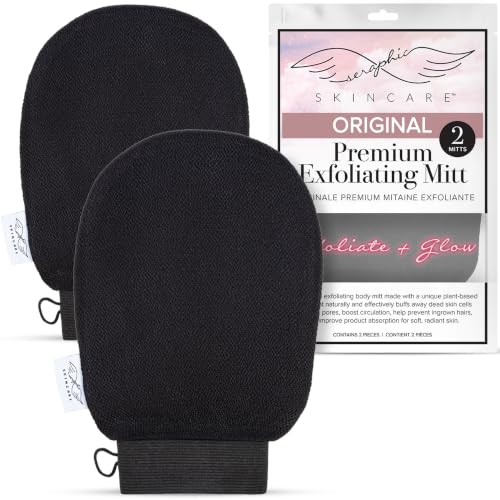
Seraphic Skincare Original Premium Exfoliating Mitt for Body (2pc) – 100% Vegan Viscose Traditional Body Scrub Glove Kessa Korean Washcloth – Body Exfoliator for Self-Tan Removal & Keratosis Pilaris
- Achieve Radiant, Smooth Skin: Deep exfoliation for healthier skin
- More Effective Than Loofahs: Powerful dead skin removal
- Vegan and Halal Certified: Ethical skincare alternative
As an affiliate, we earn on qualifying purchases.
As an affiliate, we earn on qualifying purchases.